Tiny Homes for Rent in Florida: Tropical Hideaways Await

Wake up to the sound of Gulf waves, the shade of a Florida forest, or the calm of a lake just outside your door. Tiny homes for rent in Florida range from simple cabins to stylish homes on wheels, giving you a compact, well-designed place to stay without limiting your choice of setting.
The right tiny home rental depends on where you want to go, how much space and privacy you need, and what fits your budget. Explore Florida destinations, compare tiny-home styles and costs, and use practical planning tips to choose a stay that suits your trip.
Key Takeaways
- Tiny homes for rent in Florida range from compact cottages and cabins to homes on wheels, with settings near beaches, lakes, springs, and wooded parks.
- Your location shapes the trip: coastal rentals offer beach access, while inland stays put trails, freshwater springs, and quieter surroundings closer by.
- Nightly prices vary by season, location, size, and included amenities. Compare cleaning fees, minimum stays, and taxes before judging the total cost.
- Book early for popular travel dates, then check parking, pet rules, kitchen access, and bathroom setup so the home fits your plans.
- For a cabin-style alternative, browse Florida State Parks cabin reservations, where availability and amenities vary by park.
Where to Find Tiny Homes for Rent in Florida
Florida’s tiny-home rentals sit in very different settings, from salt-air coastal communities to spring-fed rivers and busy city outskirts. Start with the trip you want, then compare each rental’s exact address with the places you plan to visit. A listing may use a broad destination name even when the home sits well outside the town center.
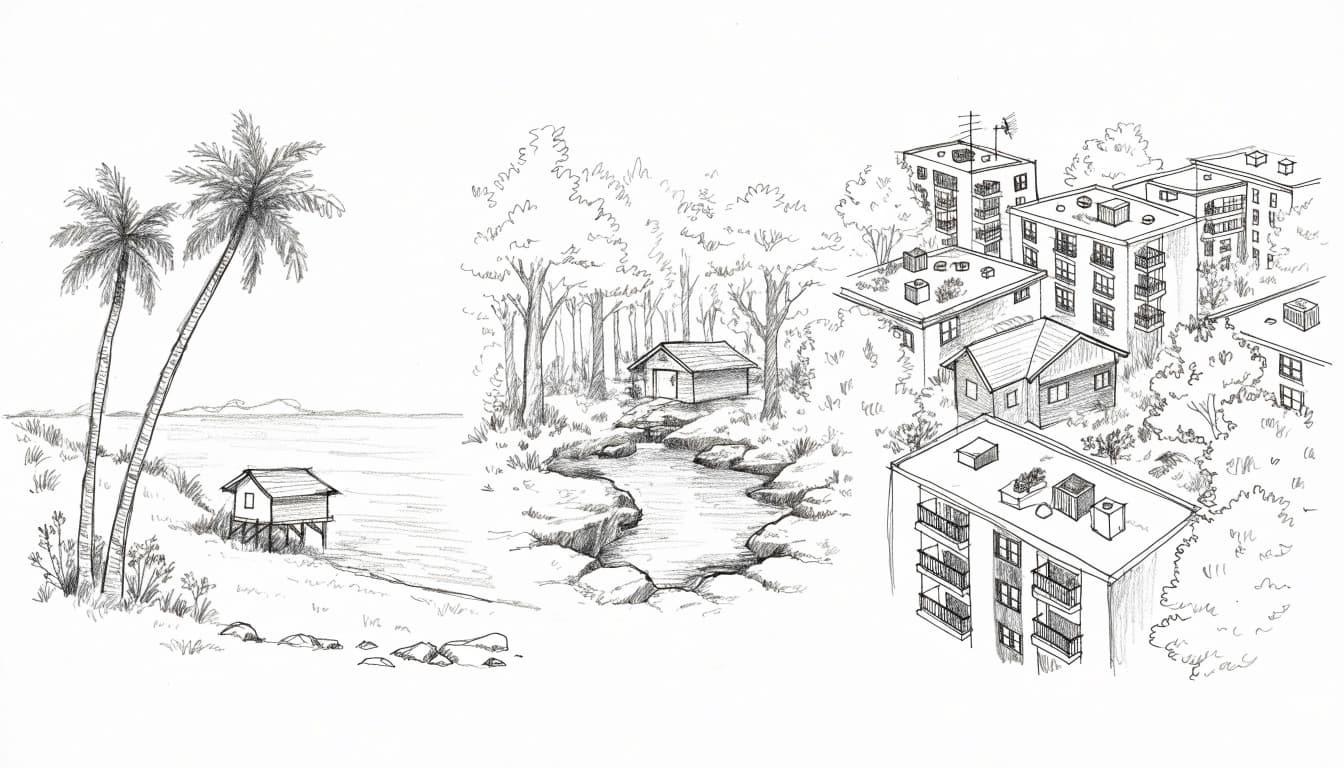
Beach towns, island getaways, and coastal escapes
For an island-focused stay, look around Key Largo, Islamorada, Marathon, and Key West. The Florida Keys travel guide can help narrow down which part of the island chain fits your plans. These communities put boating, snorkeling, and waterfront dining within reach, although a tiny home may be inland or tucked into a residential neighborhood rather than directly on the beach.
Along the Gulf Coast, rentals near St. Petersburg, Clearwater, Sarasota, or the quieter stretches around Cape San Blas can pair beach days with small-town stops. On the Atlantic side, consider communities such as St. Augustine, New Smyrna Beach, or the Space Coast. Each offers a different mix of beach access, dining, and nearby attractions.
However, coastal convenience often comes with tradeoffs. Popular beach areas can bring heavier traffic, limited parking, and higher demand during holidays and peak travel months. Check whether the rental includes a parking space, how far the nearest public beach access is, and whether you’ll need to drive or walk there.
Springs, forests, and quieter inland stays
Inland Florida suits travelers who want shaded trails, clear swimming holes, and evenings away from beachfront crowds. Look for rentals near Ocala National Forest, the Suwannee River, or freshwater springs around High Springs and the Dunnellon area. The Florida State Parks directory is useful for finding parks and recreation areas near a potential stay.
Depending on the location, days can include paddling, hiking, wildlife watching, or swimming in a spring. Some homes sit close to a park entrance, while others require a longer drive on rural roads. Before booking, map the distance from the rental to your intended trailhead, boat launch, or swimming area. A listing that says “near the springs” may still leave you with a substantial drive.
Inland stays can also offer more privacy and a quieter setting, but nearby restaurants, grocery stores, and cell service may be less convenient. Check the address and amenities before assuming you can walk to essentials.
City breaks and theme-park home bases
A tiny home near Orlando can give you a compact place to return to after a day at Walt Disney World, Universal Orlando, or another attraction. Tampa-area rentals work for visitors splitting time between the city, museums, and Gulf beaches. In Jacksonville, a stay near the riverfront or beaches can support a city visit without giving up time outdoors.
Still, the city name alone tells you little about the commute. Compare the rental’s address with your planned attractions, transit stops, restaurants, and grocery stores. Orlando’s theme parks are spread across the metro area, and traffic can add time even when a rental looks close on a map.
For a smoother stay, check whether the home has dedicated parking and whether rideshare service or public transit makes sense for your plans. A rental on the edge of town may offer more space or a quieter night, while a central location can reduce daily driving. Choose based on the actual route you expect to take, not just the destination named in the listing.
Choose a Tiny Home Rental Style That Fits Your Trip
In Florida, “tiny home” can describe several kinds of compact stays, and there isn’t one standard layout across listings. The structure, setting, and included amenities all shape how comfortable a rental feels, so look beyond the label before booking.
Park models, cottages, cabins, and homes on wheels
A park model is a compact unit often found in an RV community or campground. The RV Industry Association describes park model RVs as towable units designed for temporary living quarters. They may have a more residential feel than a standard travel trailer, but the exact floor plan and features vary.
Cottages and cabins usually sit on a fixed foundation. A cottage may feel like a small standalone house, while a cabin often emphasizes a rustic setting or simple finishes. A home on wheels could be a converted trailer or a purpose-built tiny house. Some have a sleeping loft; others put the bed on the main floor.
Hosts use these names differently, so don’t assume a “cabin” has a full kitchen or that a “tiny home” is mobile. Review the photos, floor plan, and written description together. That combination shows whether the listing has stairs, a separate bedroom, limited headroom, or a bathroom inside the unit.
Amenities that make a small space comfortable
In a compact rental, a few practical details can change the whole stay. Check the sleeping setup, including the number of beds, their sizes, and whether a sofa bed or loft ladder is involved. Advertised capacity may include children sharing a bed or guests sleeping in a common area, so confirm the arrangement before traveling as a family or group.
Bathroom access also varies. A unit may have a private bathroom, a compact shower, or facilities in a nearby campground building. For Florida’s heat and humidity, confirm that the home has air conditioning, then check whether Wi-Fi, laundry, and a working kitchen are included. A kitchenette may have only a mini-fridge and microwave, which matters if you plan to cook.
Storage and outdoor seating deserve a look, too. Suitcases can take up valuable floor space, while a porch or patio offers room to unwind outside. If the photos don’t make bed dimensions or kitchen equipment clear, ask the host before reserving.
Private retreats, campgrounds, and shared properties
A standalone rental may offer a quieter stay and more control over your outdoor space. By contrast, homes in RV parks and campgrounds can put guests near pools, bathhouses, or shared recreation areas, but neighbors may be close and noise can carry. Farm stays and homes on shared land may offer open views while still sharing a driveway or yard.
Read the listing for details about privacy, quiet hours, shared facilities, and pet rules. Also confirm whether a fire pit, deck, yard, or waterfront area belongs exclusively to your rental. On booking platforms, categories such as an entire place or private room describe what guests share, as explained in Airbnb’s accommodation types.
Choose the setup that matches your trip. A campground can suit days spent exploring, while a private cottage may work better when you want a peaceful place to linger.
Understand Florida Tiny Home Rental Prices and Booking Costs
Tiny-home rental prices in Florida depend on more than the size of the house. Dates, location, amenities, and fees all affect what you’ll pay, so compare the full cost for your trip rather than relying on an advertised nightly rate.
What changes the nightly rate
Season can shift prices sharply. Winter visitors, spring break travelers, and holiday guests increase demand in many Florida destinations, while other areas may have their own busy periods. Weekends also tend to cost more than weekdays, especially near beaches, theme parks, and event venues.
Location matters, too. A home close to the coast, a popular spring, or a major attraction may command a higher rate than a similar property farther inland. Yet nearby listings can still differ widely. One might have a private pool, hot tub, larger sleeping area, or dedicated parking, while another offers fewer extras or sits in a busier shared community.
Length of stay can change the nightly figure as well. Hosts may offer lower per-night rates for longer bookings, but minimum-stay rules can require you to reserve more nights than you need. Compare the rate calendar for your exact dates, then check whether the home’s size and features suit your group. A lower-priced listing may not be a better value if you need extra beds or facilities elsewhere.
Look beyond the advertised nightly price
The nightly rate is only one part of your lodging budget. Cleaning fees and platform service charges can raise the subtotal, while state and local taxes may add more at checkout. Florida allows local transient rental taxes, so the tax total can differ by county. The Florida Department of Revenue’s transient rental tax information explains the state and local tax structure.
Also check for pet fees, refundable deposits, and minimum-stay requirements. A deposit may not be a final expense if the host returns it under the stated terms, but it still affects how much money you need available. For a short weekend, a fixed cleaning fee can make the effective nightly cost much higher than it would be across a week.
To estimate your lodging cost, use this simple calculation:
Nightly rate × number of nights + cleaning and service fees + taxes + any applicable pet charges.
Then note any deposit separately and confirm when and how it is returned. Compare the checkout total for the same dates and guest count, since changing either can alter the price. Airbnb’s U.S. pricing display details explain how fee-inclusive totals appear before taxes on its listings.
Compare listings and book with confidence
Airbnb, Vrbo, and Hipcamp are among the platforms where travelers may find tiny-home rentals. Search the same dates and party size across listings, then compare what the total includes. A lower nightly rate may come with a larger cleaning fee, a longer minimum stay, or fewer amenities.
Before paying, read recent reviews for recurring details about cleanliness, noise, access, and whether the listing matches its photos. Review the cancellation terms and message the host if the bathroom setup, air conditioning, parking, or sleeping arrangements remain unclear. A clear, timely reply can resolve practical questions before you commit.
Finally, inspect every photo and map detail closely. Confirm the rental’s exact address when available, or ask the host for precise location information before booking if the platform withholds it. That check helps you judge the real drive to the beach, parks, or attractions, and prevents a broad destination label from setting the wrong expectation.
Plan a Smooth Stay in a Florida Tiny Home
A compact rental can make a memorable home base, but its layout and location shape everyday comfort. Before booking, picture how your group will sleep, cook, relax, and get around, especially when afternoon heat or rain keeps you indoors.
Match the home to your group and daily routine
Start with the sleeping arrangements. Confirm bed sizes, where each person will sleep, and whether guests need to climb stairs or a steep loft ladder. If anyone has mobility concerns, check for step-free entry and accessible bathroom access rather than relying on general listing photos.
Next, look closely at the kitchen equipment and storage. A kitchenette may not have the cookware you need, and a few suitcases can quickly crowd a small floor plan. Ask whether the bathroom sits inside the unit or in a shared facility, too.
Florida’s weather can keep you inside for part of the day, so consider how the space works beyond bedtime. A shaded porch, comfortable seating, reliable air conditioning, and room to eat can make a rainy afternoon feel much easier.
Check house rules, parking, pets, and local requirements
Read the full listing for occupancy limits, quiet hours, smoking restrictions, and check-in steps. Pet policies can include limits on size or number, plus extra fees. Confirm whether parking is on-site, shared, or on the street, and ask about late arrivals if you expect to reach the rental after dark.
Local land-use and short-term rental rules vary, so don’t assume every tiny home is approved for every type of stay. Florida’s vacation rental licensing guide outlines state licensing categories, but local requirements may also apply. Rely on the listing’s clear, current terms, and contact the host if details about the rental or its permitted use are unclear.
Prepare for heat, storms, bugs, and changing weather
Florida can bring hot, humid days, heavy rain, and insects, with seasonal storm risk that changes by date and location. Check whether the rental has air conditioning, screened windows, and outdoor spaces that remain usable in wet weather. Ask what gear the host provides, such as umbrellas or a fan, and whether doors need to stay closed to keep insects out.
Before traveling during hurricane season, find out how the host communicates weather updates and what guests should do if conditions worsen. NOAA recommends having more than one way to receive forecasts and alerts. Its hurricane preparedness guidance can help you review general planning steps without assuming a storm will affect your trip.
Map the drive and plan what to bring
Check the route to the property, road conditions near the entrance, and whether your vehicle can reach the parking area. Then map grocery stores, restaurants, and the places you plan to visit. Rural rentals may require a longer drive for basic supplies, while a home near a beach or attraction may still sit far from its main entrance.
Pack for the plans you have, not every possibility. Lightweight clothes, rain protection, comfortable walking shoes, and insect repellent suit many Florida outings. Before filling your bags, ask the host which essentials are already supplied, including towels, linens, cookware, and toiletries. That simple check can save space and prevent an inconvenient store run after arrival.
Frequently Asked Questions
A few details can make or break a compact stay, especially when you’re traveling with children, pets, or a tight schedule. Check the listing’s terms and amenities against your plans before you reserve.
Are tiny homes in Florida available for weekend stays?
Some hosts accept short stays, while others require guests to book a minimum number of nights. Requirements can change for busy dates, so a weekend that works in one season may not be available during a holiday or popular event. Enter your exact dates before comparing options, and check the minimum-stay terms; Airbnb hosts, for example, can set minimum-night rules for listings.
Can I rent a tiny home in Florida with a dog?
Yes, some hosts welcome dogs, but pet policies differ by property. A listing may limit the number or size of pets, charge an additional fee, or restrict where dogs can go. Confirm your dog is approved and ask about any rules before booking, even if the listing appears pet-friendly.
Are Florida tiny homes suitable for families?
They can work well for some families, but comfort depends on the layout and the children’s ages. Check the number and size of beds, whether anyone must use a loft ladder, and whether the bathroom is inside the home or shared. Before reserving, confirm the sleeping arrangement and occupancy limit with the host.
Do tiny homes in Florida usually have air conditioning?
Cooling varies by rental, so don’t assume every tiny home has the same setup. Check the amenities and listing photos, then ask the host how the unit is cooled if the details aren’t clear. For warm-weather travel, also find out whether the cooling system reaches the sleeping area, particularly if the home has a loft.
How far ahead should I book a Florida tiny home?
The best booking window depends on your destination, travel dates, and local demand. Start early for holidays and popular coastal dates, when available homes may be limited. If your schedule allows, compare nearby dates as well; shifting your trip by a day or two may reveal more options.
What should I check before confirming a reservation?
Before you pay, review the total price, exact location, recent guest reviews, and cancellation terms. Then confirm the house rules, sleeping setup, and any details the host has clarified in messages. If an important question remains unanswered, get a clear response before booking so you know what to expect on arrival.
Conclusion
Tiny homes for rent in Florida offer a compact home base for very different trips, whether you want a coastal weekend or a quiet break near springs and wooded trails. The best stay depends on the experience you want, along with the comfort and convenience your group needs.
Before booking, compare the full price, location, layout, and house rules. Then picture the Florida stay that suits you: salt air and beach walks, or shaded paths and calm evenings. Choose a rental that makes that trip feel easy from the moment you arrive.
Explore more tiny home living, design, downsizing, building, and lifestyle resources.
- Tiny Homes for Rent in Wyoming: Wild West Getaways to Book
- Tiny Homes for Rent in Washington: Forest Escapes & Cozy Stays
- Tiny Homes for Rent in Utah: Red Rock Retreats to Book
- Tiny Homes for Rent in Oregon: Forest Retreats You’ll Love
- Tiny Homes for Rent in New Mexico: Desert Gems & Starry Skies
- Tiny Homes for Rent in Nevada: Desert Hideaways Worth Booking