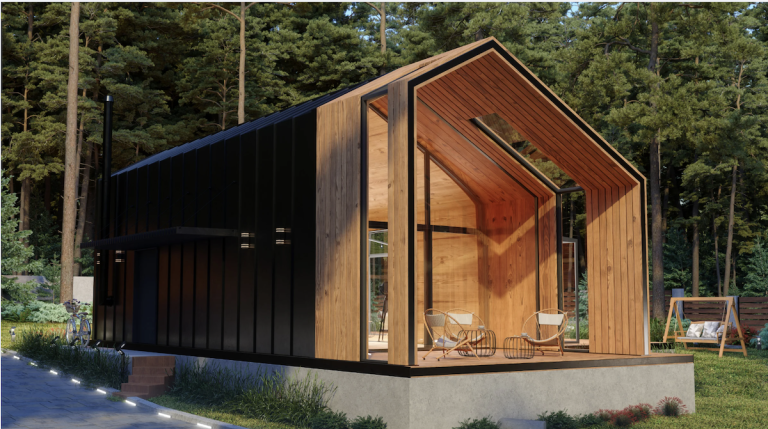
Tiny Homes for Rent in Pennsylvania: Secluded Stays You’ll Love

Trade a packed schedule for a cozy place to slow down, whether that’s a cabin tucked into the woods or a tiny house near a Pennsylvania town. Tiny homes for rent in Pennsylvania offer a compact base for a weekend away, but each stay can differ in layout, amenities, location, and total cost.
Finding the right fit takes more than choosing a charming listing photo. This tiny homes for rent guide will help you compare locations and prices, check the details that affect comfort, and book with fewer surprises. First, it helps to know what a rental listed as a tiny home may actually include.
Key Takeaways
- Tiny homes for rent in Pennsylvania range from rustic cabins to compact, modern stays, so check the listing details before booking.
- Nightly rates vary by location, season, and amenities; compare the total price, including cleaning fees and taxes.
- Choose a setting that fits your plans, whether you want wooded seclusion, outdoor recreation, or easy access to a nearby town.
- Review sleeping arrangements, bathroom access, kitchen equipment, heating, and parking to confirm the space suits your group.
- Before you reserve, read cancellation terms, arrival instructions, and guest reviews, then confirm any extra fees or house rules.
Tiny Homes for Rent in Pennsylvania: What to Expect
A Pennsylvania rental described as a tiny home can be a purpose-built little house, a cabin, or a compact space adapted for overnight stays. The name alone won’t tell you how much room you’ll have or what’s included. Look closely at photos and amenity details to understand the layout, utilities, privacy, and daily comforts before you book.
How a tiny house differs from a cabin or vacation rental
A stationary tiny house is usually designed as a small, self-contained home, with a sleeping area, bathroom, and kitchen in a compact footprint. Some rentals are tiny homes on wheels, while others are small cabins or converted spaces that owners list under the same label. As a result, two listings called “tiny homes” may feel quite different once you step inside.
Sleeping arrangements vary, too. One property might have a ground-floor bed, while another places the main bed in a loft reached by a ladder. A sofa bed or bunk may add capacity, but it won’t necessarily give everyone a separate room or much privacy.
Bathrooms can range from a private full bathroom to a very tight washroom, and kitchen setups may include anything from a full cooking area to a small kitchenette. Living space is often shared between sleeping, cooking, and relaxing, so there may be little room to spread out indoors. Because listing names aren’t consistent, compare the floor plan, photos, bed details, bathroom access, and appliance list instead of relying on the label.
The comforts and trade-offs of a smaller stay
A compact rental can make a simple, cozy base for a weekend away. Some sit apart from busier roads or buildings, giving guests a quieter place to unwind after a day outside. With fewer rooms to manage, it can also feel easy to settle in and keep the stay low-key.
However, small spaces come with practical limits. A steep ladder to a loft may be uncomfortable for some guests, and a narrow bathroom can make getting ready feel cramped. Storage may be limited to a few hooks or shelves, while heating and air conditioning may not reach every corner evenly. Ask about these details if they could affect your comfort.
Tiny homes on wheels can have different features and use conditions from permanent small dwellings. Tiny House Alliance USA’s overview describes tiny homes as dwellings designed for year-round use and RVs as vehicles for temporary travel or camping. For a rental, check the property’s own listing for utility access, bathroom arrangements, and any limits on how the space operates.
Who is most likely to enjoy a tiny-home getaway
Couples and solo travelers often find a compact rental comfortable, especially when they plan to spend much of the day hiking, exploring nearby towns, or enjoying the outdoors. A small family may also do well if the sleeping arrangement suits everyone and the children are comfortable with lofts or shared space.
A larger rental may be a better fit when several adults are traveling together. Separate bedrooms and bathrooms can make mornings easier, while extra indoor space gives everyone room to relax when the weather keeps the group inside. Guests with mobility needs should check for stairs, ladders, narrow doorways, and bathroom access before reserving.
Think about how your group will use the home, not only how it looks in photos. If you mainly need a comfortable place to sleep between outdoor plans, a tiny home can be a good match. If you expect long stretches indoors or need more privacy, choose a property with room to move around.
Where to Find Tiny House Rentals Across Pennsylvania
Tiny homes for rent in Pennsylvania appear across booking sites and rural regions, but availability changes with the season and individual host listings. Search broadly, then narrow your options by travel dates, setting, and the details that affect your stay.
Search rental platforms with the right filters
Start with Airbnb, Vrbo, and Hipcamp, since hosts may categorize similar small stays in different ways. Search for “tiny house,” “tiny cabin,” and “small house.” If results look sparse, try nearby towns or a broader destination, then check each listing’s description and photos.
Set your dates and guest count first. Then use available filters for pets, amenities, and cancellation terms to remove stays that won’t work for your group. Airbnb’s search filter guidance explains how to enter dates, guests, and pets when looking for a place.
Before booking, read the full listing rather than relying on the title or thumbnail. Confirm the bed setup, bathroom access, kitchen equipment, parking, and any pet rules. Check the total price, house rules, check-in instructions, and cancellation policy as well. A listing called a “tiny cabin” may have different facilities from a self-contained tiny house, so verify the details that matter to you.
Choose between the Poconos, Laurel Highlands, and other regions
The Poconos are a popular base for lakes, forests, and outdoor activities. Depending on the specific location, you may find access to swimming, boating, hiking, or other recreation. Browse Pocono Mountains visitor information for a sense of the activities and communities across the region.
In the Laurel Highlands, wooded scenery and trails suit travelers who want time outdoors, with some towns and attractions within driving distance. The Laurel Highlands visitor guide can help you explore the broader area. Farther north, places near Allegheny National Forest offer a more remote feel, although access and services can vary by property. The U.S. Forest Service’s Allegheny National Forest page outlines recreation in the area.
You can also search near Pennsylvania towns if you want easier access to restaurants, shops, or attractions. Listings change, and no particular town or platform is guaranteed to have a tiny-house rental for your dates. Comparing multiple areas often gives you more options.
Match the location to your trip plans
A regional label can cover a large area, so check the property’s exact address once the booking site provides it. Estimate drive times to the places you plan to visit, and look at local road conditions, especially if the rental sits on a rural road or uphill driveway. Winter weather and unpaved access can affect arrival plans.
Also consider how you’ll handle groceries and meals. A secluded stay may offer more privacy, but it can require a longer drive for supplies or dining. If you plan to hike, check the distance to trail access rather than assuming a nearby forest means a trail starts at the property.
Choose the setting that fits the pace of your trip. A quiet, remote property works well when you want to stay close to nature, while a rental near a town can make meals and errands simpler. Before reserving, compare the exact location with your itinerary, not just the region name.
What a Tiny Home Stay Costs and What the Price Includes
The nightly rate gives you a starting point, but it doesn’t tell you what the full trip will cost. For tiny homes for rent in Pennsylvania, prices and availability can change with the dates, location, and features. Compare the total for your exact stay, then check what you’ll need to bring.
Why season, location, and amenities change the rate
A Friday or Saturday night may cost more than a weekday, and holiday weekends often draw higher demand. Summer travel can raise rates in popular recreation areas, while peak foliage season may make fall dates more expensive in wooded regions. Since rates shift by property and calendar, check the price for the nights you plan to stay rather than relying on a general estimate.
Location also matters. A secluded tiny home with a private view may cost more than a similar place near a main road or neighboring rentals. A hot tub, fire pit, lake access, or other amenities can affect the rate, too. Still, a higher nightly price doesn’t automatically mean the stay offers better value.
When your schedule allows, compare weekday and weekend dates or shift your trip by a week. Then review similar properties for the same nights and guest count. That makes it easier to judge whether a higher rate reflects privacy or a feature you’ll actually use.
Add up cleaning fees, taxes, and other charges
Before booking, open the full price breakdown and review the checkout total. A low nightly rate can look different after cleaning fees, platform service charges, taxes, pet fees, and extra-person costs are added. Pennsylvania charges hotel occupancy tax on room rentals for stays under 30 days; the Pennsylvania Department of Revenue’s home-sharing tax guidance explains the state tax and local hotel tax details.
Some hosts also request a security deposit. Check whether it is refundable, what conditions could lead to a deduction, and when the host returns it. Cleaning and service fees, by contrast, are generally charges rather than refundable deposits, so don’t count on getting them back after the stay.
Read the cancellation policy before paying, including the deadline for a refund and any limits on changes. If the listing mentions a pet fee, extra guest charge, or deposit but doesn’t explain how it works, ask the host before you reserve. Prices and availability can change by date, so confirm the final amount for your chosen nights at checkout.
Check what is included before packing
A tiny home may have the basics, but don’t assume every rental stocks the same supplies. Check whether the host provides linens and towels, cookware, drinking water, Wi-Fi, and parking. Also confirm whether the property has heat or air conditioning, and whether firewood is included or sold separately.
Remote properties may have limited services, especially if they sit far from stores or restaurants. A listing might offer a kitchenette without a full set of cooking tools, or advertise a wood stove while asking guests to bring their own firewood. Water and internet access can also differ, so read the amenity list and house rules closely.
Pack according to the details you confirm. If towels, coffee supplies, or cooking basics aren’t listed, contact the host rather than assuming they’ll be there. A quick check before departure can prevent a late store run and help you budget for the stay more accurately.
How to Choose and Book a Pennsylvania Tiny Home
A good booking starts with the details that shape your stay, not the prettiest listing photo. Compare the layout, access, rules, and safety information before paying, then save the host’s answers and arrival instructions.
Read the listing details and recent guest reviews
Start by checking the floor plan and sleeping arrangements. Confirm bed sizes, the maximum occupancy, bathroom setup, and whether anyone must climb stairs or a ladder to reach a bed. Also check how the home heats and cools, since a compact space can feel different during a humid summer weekend or a cold Pennsylvania night.
Then compare the written description with the photos. Look for images of the kitchen, bathroom, sleeping areas, and entryway, not only exterior shots. Recent guest reviews can reveal whether the property still matches its listing and how it feels during an actual stay.
Pay attention to repeated comments about cleanliness, noise, access, and host communication. One mention may be an isolated issue, but the same concern across several recent reviews deserves a closer look. If guests say the photos make a room seem larger than it is, ask the host for clarification before booking.
Confirm access, parking, and house rules
A remote tiny home may sit at the end of a paved road, a gravel lane, or an unpaved driveway. Check the route and parking limits, especially if you plan to arrive after dark or travel in winter. Ask whether snow or poor weather can affect access, and whether your vehicle will fit in the available parking area.
Before reserving, review the check-in steps, quiet hours, fire rules, pet policy, and use of outdoor features such as a fire pit or hot tub. Rules can cover details that change how you plan, including whether firewood is permitted, where pets may go, or when outdoor areas must be quiet.
If anything is unclear, message the host and keep the reply with your booking details. Rental rules and local requirements can vary by property and municipality, so review the rules that apply to the rental and its location. This is a practical check, not legal advice.
Plan for comfort, safety, and the length of your stay
Match the space to everyone in your group. A loft ladder, narrow doorway, or compact bathroom may be difficult for a child, an older guest, or someone with mobility needs. Ask about the exact layout and any steps at the entrance rather than assuming the photos show every access point.
Weather and trip length matter, too. For a longer stay, confirm what the listing says about storage, cooking equipment, laundry, internet, and heating or air conditioning. If the property is remote, check how far you’ll need to drive for groceries, fuel, medical care, or other services you may need.
Before you book, confirm where smoke and carbon monoxide alarms are located and how to reach someone in an emergency. The U.S. Consumer Product Safety Commission’s CO alarm guidance explains where alarms should be installed in homes. Also ask whether cell service works at the property and whether the host provides an emergency contact number.
Use this short booking checklist before you pay:
- Compare the floor plan, beds, bathroom, occupancy limit, and recent reviews.
- Confirm road conditions, parking, check-in, and house rules with the listing or host.
- Check comfort and access needs for everyone, including plans for bad weather or a longer visit.
- Save the final price, emergency contact details, and arrival instructions.
Once those details line up with your plans, you can book with a clearer picture of what the stay will involve.
Frequently Asked Questions
A few details can make the difference between a relaxing Pennsylvania getaway and a stay that doesn’t fit your needs. Check these points before you reserve, especially if you’re traveling with children, pets, or winter weather in the forecast.
Are tiny homes in Pennsylvania available year-round?
Availability depends on the property, season, and host’s booking calendar. Search using your exact travel dates, since a home may accept winter guests while another closes for part of the year. If you’re planning a cold-weather stay, ask about snow removal, driveway access, and whether the heat and water systems operate throughout winter. Check 511PA road conditions before driving, then confirm any property-specific access concerns with the host.
Can I bring a dog to a tiny home rental?
Pet policies vary by listing, so don’t assume a pet-friendly label covers every dog or situation. Before booking, check which animals the host allows, whether fees apply, any size limits, and whether your dog can stay alone inside. Also ask about leash requirements or outdoor boundaries if those details aren’t clear. Airbnb recommends contacting the host to discuss the animals you’re bringing and any restrictions.
Are tiny homes suitable for families with children?
Some tiny homes work well for a small family, but the layout can shape how comfortable the stay feels. Check whether beds are separate or shared, and look closely at loft ladders, stairs, railings, and the space around sleeping areas. Confirm the maximum occupancy, then read recent family reviews and study the photos for details such as a high loft edge or a narrow entrance.
Do tiny homes have kitchens and private bathrooms?
Some rentals include a full kitchen and private bathroom, while others have a kitchenette, outdoor facilities, or a simpler setup. Review the amenities list for details such as a stove, refrigerator, sink, shower, and toilet. If the listing uses broad terms like “kitchenette” or doesn’t show the bathroom clearly, ask the host what guests can use before you book.
How far ahead should I book a tiny house in Pennsylvania?
Popular weekends and peak travel dates may have fewer available stays, while quieter periods can leave you with more flexibility. Once your dates and location are set, book a property that fits your plans rather than waiting for a specific number of weeks. Before paying, read the cancellation terms and check the deadline for changing or canceling your reservation.
What should I pack for a remote tiny-home stay?
First, confirm which linens, towels, cookware, and basic supplies the host provides. Then pack personal toiletries, clothing suited to the forecast, food, and any medications you need during the trip. Since remote properties may sit far from shops or restaurants, plan meals and supplies around the location, and ask about drinking water or other essentials if the listing doesn’t say.
Conclusion
Tiny homes for rent in Pennsylvania can make a cozy base for a weekend in the woods or a visit near town. The right stay depends on your trip plans, comfort needs, location, and total cost, including fees.
Compare listings carefully, read recent reviews, and confirm the details that matter with the host before booking. Then choose a place that fits your group and leaves room for the Pennsylvania experience you want, whether that means quiet time outdoors or easy access to nearby attractions.
Explore more tiny home living, design, downsizing, building, and lifestyle resources.
- Tiny Homes for Rent in Wyoming: Wild West Getaways to Book
- Tiny Homes for Rent in Washington: Forest Escapes & Cozy Stays
- Tiny Homes for Rent in Utah: Red Rock Retreats to Book
- Tiny Homes for Rent in Oregon: Forest Retreats You’ll Love
- Tiny Homes for Rent in New Mexico: Desert Gems & Starry Skies
- Tiny Homes for Rent in Nevada: Desert Hideaways Worth Booking