Do You Pay Taxes on Tiny Houses? Understanding Tax Responsibilities for Tiny Homeowners in 2026
Thinking about ditching the McMansion for a cozy little abode? The tiny house movement is certainly catching on, and it’s easy to see why. They’re charming, often more affordable, and can lead to a simpler lifestyle. But before you start measuring for curtains, there’s a big question to answer: do you pay taxes on tiny houses? It’s not always a straightforward ‘yes’ or ‘no,’ and understanding the tax implications is a big part of making this dream a reality.
Key Takeaways
- Tiny homes on wheels are often treated like RVs, which means they might not be subject to traditional property taxes, but parking them might come with fees.
- Tiny homes built on a foundation are generally considered real property and will likely be subject to property taxes, similar to larger homes.
- Building permits are usually required for tiny homes, whether you build it yourself or hire someone. The cost can vary a lot depending on where you live.
- Owning land for your tiny home means you’ll also have to pay property taxes on that land, regardless of the structure on it.
- Local zoning laws and building codes are super important. They dictate where you can put a tiny home, how many you can have on a property, and what rules you need to follow.
Understanding Tiny Home Property Taxes
So, you’re thinking about joining the tiny home movement, huh? That’s awesome! But before you start dreaming about your cozy little abode, let’s talk about something a bit less dreamy but super important: property taxes. It’s not as straightforward as you might think, especially with tiny homes.
Property Taxes for Tiny Homes on Wheels
This is where things get a little fuzzy. Tiny homes on wheels (THOWs) are often treated like recreational vehicles (RVs). Because they aren’t permanently attached to land, they usually don’t get hit with traditional property taxes. Think of it this way: if you can hitch it up and move it, it’s not usually considered real estate. However, this doesn’t mean you’re totally off the hook. You might still have to pay for a parking spot or a specific zone where you’re allowed to park your THOW. Plus, if you’re living in your THOW full-time, some places might have specific rules about that, even if it’s on wheels.
Property Taxes for Tiny Homes on Foundations
Now, if your tiny home is built on a permanent foundation, it’s a different story. This type of tiny home is generally considered a permanent structure, just like any other house. That means it’s subject to the same property taxes as a conventional home in your area. The tax amount will depend on the assessed value of your home and land, and your local tax rates. It’s pretty standard stuff, but it’s good to know you’ll be paying taxes on it just like anyone else with a fixed address.
Tiny Home Friendly Zones and Tax Implications
Some towns and counties are really getting on board with the tiny home trend. They’re creating specific zones or ordinances that make it easier to place tiny homes. These "tiny home friendly" areas can sometimes come with different tax structures or incentives. It’s worth looking into these zones because they might offer a more predictable or even lower tax situation compared to trying to squeeze a tiny home into a traditional neighborhood with strict rules. Always check with your local assessor’s office or planning department to understand the specific tax rules for tiny homes in your desired location. They’ll have the most up-to-date info.
The classification of your tiny home—whether it’s on wheels or a foundation—is the biggest factor in how property taxes are applied. Don’t assume; always verify with local authorities.
Navigating Building Codes and Permits
So, you’re thinking about building a tiny house. That’s awesome! But before you start dreaming about your cozy little abode, we need to talk about the nitty-gritty: building codes and permits. It might not sound as fun as picking out paint colors, but trust me, getting this right is super important if you want to avoid headaches down the road.
Permit Requirements for DIY vs. Professional Builds
Whether you’re a seasoned DIYer or planning to hire a professional builder, permits are a must. If you’re building it yourself, you’ll need to head down to your local city hall or planning department to get the ball rolling. They’ll tell you what you need to know before you even pick up a hammer. If you’re working with a builder, they might handle the permit process for you, but you’ll still be paying for it as part of the overall cost. The price for these permits can really vary depending on where you live, sometimes costing a few hundred bucks, other times much more.
Building Codes for Tiny Homes
Building codes are basically the rules designed to keep everyone safe. They cover everything from how your structure is put together to electrical and plumbing systems. For tiny homes, these codes can sometimes be a bit tricky because they weren’t always designed with such small dwellings in mind. You’ll want to check with your local authorities to see if there are specific codes for tiny homes or if standard residential codes apply. Sometimes, there are minimum square footage requirements for certain rooms, or rules about how many units you can have on a single property. It’s a good idea to get familiar with these rules early on.
Accessory Dwelling Units (ADUs) and Regulations
Sometimes, tiny homes are built as Accessory Dwelling Units, or ADUs. Think of them as a smaller, secondary home on your property. Local zoning laws often have specific rules about ADUs. You might find that you can only have one ADU per a certain amount of land, or there might be rules about the size of the main house versus the ADU. Understanding these regulations is key, especially if you’re hoping to build an ADU for family or rental income. It’s worth checking out resources on tiny home zoning laws for seniors if that’s a consideration for you, as some areas have specific provisions.
Getting the right permits and understanding building codes isn’t just about following the rules; it’s about making sure your tiny home is safe, legal, and a place you can truly relax in. Don’t skip this step!
Here’s a quick rundown of what to consider:
- Safety First: Codes ensure your home is structurally sound and safe to live in.
- Legal Living: Permits make your home official and prevent future legal issues.
- Property Specifics: Rules can vary greatly depending on your exact location and property type.
- Build Type Matters: DIY versus professional builds might have slightly different permit pathways.
Tiny Homes on Wheels vs. Permanent Structures
So, you’re thinking about a tiny home, but which kind? It’s a big decision, and honestly, it boils down to whether you want something you can move around or a more settled dwelling. This choice really changes how you’ll deal with things like taxes and where you can even put it.
Classification as Recreational Vehicles (RVs)
Sometimes, a tiny house on wheels (THOW) can be classified as a recreational vehicle, or RV. This isn’t always the case, though. It depends a lot on how it’s built and what standards it meets. If it’s built to RV standards, it might be easier to move around and park in places that allow RVs. But, if it’s more like a custom-built small house on a trailer, it might not fit the RV definition. This distinction matters because RVs often have their own set of rules regarding where they can be parked long-term and how they’re taxed. It’s not quite as simple as just slapping wheels on a shed, you know?
Licensing and Registration for Movable Homes
If your tiny home is on wheels, you’ll likely need to register and license it, much like a car or an RV. This usually involves getting license plates and paying annual fees. The exact requirements vary by state, so you’ll need to check with your local Department of Motor Vehicles (DMV) or equivalent agency. Keeping your registration up-to-date is key to avoiding tickets and ensuring you’re legally allowed to travel. For those who plan to move frequently, this is just part of the lifestyle. It’s a bit like having a mobile address. You can find more details on 2026 tiny house taxes which covers various tax implications.
Residency Restrictions for RVs
This is where things can get tricky for tiny homes on wheels. Many places that allow RVs have rules about how long you can stay. You might be able to park your THOW in an RV park for a few weeks or months, but staying indefinitely might not be allowed. Some areas have specific zoning laws that limit where RVs, and by extension, some THOWs, can be used as primary residences. This is different from a tiny home on a foundation, which is treated more like a traditional house. You really need to research the local ordinances for any area you’re considering living in long-term. It’s not always straightforward, and you don’t want to get caught out.
- Check local zoning laws for any restrictions on RV or THOW residency.
- Understand the difference between temporary stays and establishing permanent residency.
- Be aware that some communities are more welcoming to tiny homes than others.
The freedom of mobility with a tiny home on wheels is a major draw, but it comes with a unique set of rules. Unlike a permanent structure, its classification can shift, impacting where and how long you can legally reside in it. This means more homework upfront to avoid future headaches.
Land Ownership and Associated Taxes
Purchasing Land for a Tiny Home
So, you’ve decided a tiny house is the way to go. Awesome! But before you start dreaming about minimalist living, let’s talk about the ground beneath your feet. Owning land for your tiny home is a big step, and it comes with its own set of responsibilities, especially when it comes to taxes. It’s not just about finding a pretty spot; it’s about understanding the legal and financial landscape.
Land Costs and Property Taxes
When you buy land, the price tag is just the beginning. You’ll need to factor in ongoing property taxes. These taxes are usually based on the assessed value of your land and any structures on it. The rates can vary a lot depending on where you are – a rural plot might have lower taxes than a piece of land closer to a city. It’s a good idea to check with the local county assessor’s office to get a clear picture of what to expect. They can tell you the current tax rates and how they’re calculated. Remember, property taxes are typically paid annually, so it’s something you’ll need to budget for year after year.
Here’s a general idea of what influences property taxes:
- Location: Proximity to amenities, urban centers, and desirable areas often means higher land values and, consequently, higher taxes.
- Zoning: How the land is zoned (residential, agricultural, commercial) can affect its value and tax rate.
- Size and Features: Larger parcels or land with unique features (like water frontage) might be assessed differently.
- Improvements: If you add structures or make significant improvements to the land, this can increase its assessed value and your tax bill.
Surveying Requirements for Land
Before you finalize any land purchase, getting a survey done is often a smart move. A survey clearly defines the boundaries of the property. This is super important because it prevents future disputes with neighbors about where your property line actually is. It also confirms the exact acreage you’re buying. Sometimes, the seller might provide a survey, but it could be old. It’s usually best to get a new one done to be absolutely sure. The cost of a survey can range from a few hundred to over a thousand dollars, depending on the complexity and location, but it can save you a lot of headaches down the road.
Owning land means you’re responsible for its upkeep and the taxes associated with it. Don’t overlook these costs when planning your tiny home budget. It’s better to be overprepared than surprised by unexpected bills.
Key Considerations Before Tiny Home Ownership
So, you’re thinking about joining the tiny house movement? That’s awesome! But before you start sketching out floor plans or browsing listings, let’s talk about some of the practical stuff you really need to think through. It’s not just about having a smaller footprint; it’s about making sure your tiny dream fits into the real world.
Determining the Right Size for Your Tiny Home
This might seem obvious, but size really does matter. Think about your daily life. Are you a solo adventurer, or do you have a partner, kids, or pets sharing your space? A single person might be perfectly happy with a super compact design, but if you’ve got a family, you’ll want to make sure there’s enough room for everyone to live comfortably without feeling like they’re constantly on top of each other. It’s worth talking to a professional designer or builder here; they can help you figure out how to maximize every inch of space, which is kind of the whole point of tiny living, right?
Budgeting for Tiny Home Construction and Land
Okay, let’s get down to brass tacks: money. Tiny homes are often seen as a more affordable housing option, and that’s true compared to a traditional house. But ‘affordable’ doesn’t mean ‘free.’ You’ve got to factor in the cost of the actual tiny home build or purchase, which can vary wildly depending on materials, features, and whether you DIY or hire someone. Then there’s the land. If your tiny home is on wheels, you’ll need a place to park it, and that might come with monthly fees or require you to buy land. If it’s on a foundation, you’re buying property, which means property taxes, surveys, and potentially site prep. Don’t forget permits, utility hookups, and maybe even a small shed for extra storage. It all adds up!
Understanding Utility Hookups and Costs
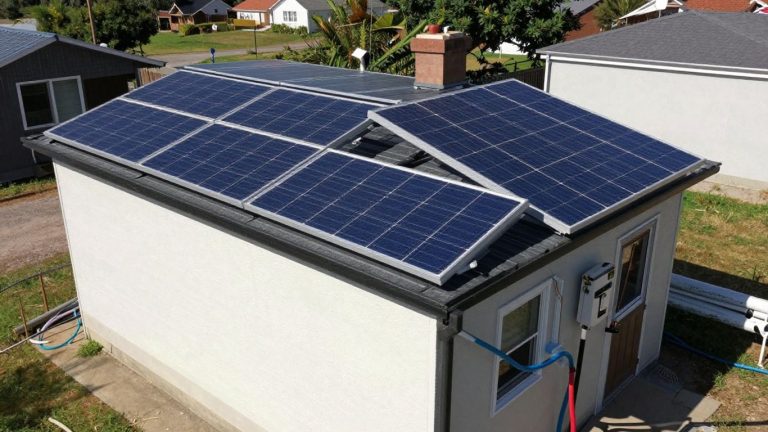
This is a big one that people sometimes overlook. How will you get power, water, and deal with waste? If your tiny home is on wheels and you plan to move it around, you might be looking at RV-style hookups at designated spots. If it’s on a foundation, you’ll need to connect to existing utilities, which can be expensive depending on how far away they are. Some people opt for off-grid solutions like solar panels or composting toilets, but these have their own upfront costs and maintenance requirements. You’ll need to research what’s available and affordable in the area where you plan to put your tiny home.
Planning ahead for utilities is key. It’s easy to get caught up in the aesthetics of a tiny home, but without reliable power, water, and waste management, your dream dwelling can quickly become a nightmare. Researching local regulations and available services before you buy or build can save you a lot of headaches and unexpected expenses down the road.
Tiny Home Communities and Zoning
So, you’re thinking about setting up a tiny house community, or maybe just adding a couple of tiny homes to your property? That’s awesome! But before you start dreaming of a little village of tiny dwellings, you’ve got to get real about zoning. It’s not just about having the land; it’s about what the local rules say you can actually do with it.
Local Zoning Regulations for Multiple Tiny Homes
Zoning laws are basically the rulebook for how land can be used in a specific area. They’re set by local governments, like your city or county, and they can be pretty detailed. When it comes to tiny homes, especially if you’re thinking about having more than one on a piece of property, zoning is your first stop. These regulations will tell you if your land is even zoned for residential use, and if so, what kind of residential use. Some areas might allow for multiple accessory dwelling units (ADUs), which are basically secondary housing units on a single-family lot, while others might have strict limits, maybe only one ADU per acre or even per property.
- Check the zoning district: Is your land zoned for single-family homes, multi-family dwellings, or something else entirely?
- Minimum lot size: Some zones require a minimum amount of land for each dwelling unit.
- Setback requirements: You’ll need to know how far your tiny home needs to be from property lines, roads, and other structures.
- Density limits: This dictates how many housing units can be built on a certain amount of land.
It’s not uncommon for a single acre to potentially fit 8 to 10 tiny homes based on size alone, but local zoning can drastically reduce that number. Always talk to your local planning or zoning department to get the exact scoop for your area.
Establishing Tiny House Communities
Creating a community of tiny homes takes things a step further than just having a couple of ADUs. You’re essentially looking at a small neighborhood. This often means dealing with different zoning categories, potentially needing special permits, and understanding regulations that might not even exist yet in some places. Some towns are starting to create specific zoning for tiny house communities, which can make things easier. These zones might have rules about shared facilities, common areas, and how the community is managed. If your area doesn’t have specific tiny house zoning, you might have to work within existing multi-family or mobile home park regulations, which might not be a perfect fit.
Building a tiny house community requires a deep dive into local ordinances. What works in one town might be a non-starter in the next. Don’t assume anything; always verify with the local authorities before investing time and money.
County Regulations and Land Use
Beyond city limits, county regulations take over, and they can be just as, if not more, complex. Rural areas might seem more laid-back, but they often have their own set of rules regarding land use, minimum dwelling sizes, and utility hookups. For instance, a county might have rules about how many structures can be on a parcel of land, or they might have specific requirements if you plan to use alternative utilities like composting toilets or off-grid solar power. It’s also worth noting that tiny houses on wheels might be classified differently by counties than those on permanent foundations. Sometimes, they might be treated more like recreational vehicles (RVs), which can have their own set of parking and residency rules. Getting this right from the start saves a lot of headaches down the road.
Wrapping Up Your Tiny Home Tax Questions
So, we’ve talked a lot about tiny homes and taxes. It’s not always a simple yes or no answer, is it? Whether your tiny house is on wheels or a foundation, and where you decide to put it, really changes things. Remember to always check with your local town hall or county office. They’re the ones who know the specific rules for your area. Don’t forget about potential property taxes if your home is on a foundation, or parking fees if it’s on wheels. Doing your homework now can save you a lot of headaches later. Happy tiny living!
Frequently Asked Questions
What are the main differences between a tiny house on wheels and a traditional mobile home?
Tiny houses on wheels are often smaller and designed to make the most of every inch of space. Mobile homes can be bigger and might not have the same compact, efficient look that tiny homes do.
Can I just build a tiny house anywhere I want?
Unfortunately, no. You can’t build a tiny house just anywhere. Local rules about zoning, building, and land use decide where you can put your small home. These rules often mention things like the minimum square footage needed for a house and the best spots for them.
How do I find out the local rules for tiny houses?
The best way to learn about local rules for tiny houses is to talk to your city or town’s government. Their planning department or building office can tell you about zoning laws, building codes, and any other important regulations.
Do all tiny houses need to be built on a concrete foundation?
Not at all! Some tiny houses sit on permanent foundations, but many are built on wheels, making them movable structures.
If I build a tiny house on wheels, do I still pay property taxes?
Tiny houses on wheels are often treated like RVs. This means they might not be subject to property taxes like a regular house. However, you might have to pay for a spot to park it, depending on local rules.
What should I think about before buying land for a tiny house?
Before buying land, you need to check the local zoning rules to make sure tiny houses are allowed. You’ll also need to consider the cost of the land itself and the property taxes that come with owning it. Sometimes, you might need a surveyor to check the land too.
Explore more tiny home living, design, downsizing, building, and lifestyle resources.