Your Guide to Off-Grid Living in Delaware: Regulations, Land, and Lifestyle
Thinking about ditching the utility bills and living a more independent life in Delaware? You’re not alone. The idea of off grid living in Delaware is catching on, and for good reason. It’s about taking control of your resources, reducing your impact, and maybe finding a simpler way to live. But before you pack your bags and head for the countryside, there’s a bit to know. This guide will help you understand what it really takes to live off the grid here, from the rules you need to follow to how you’ll actually get things done.
Key Takeaways
- Off grid living in Delaware means being independent from public utilities, using your own power, water, and waste systems.
- While not banned, off grid living in Delaware requires following existing zoning, building codes, and health regulations.
- Zoning laws are different by county and town, so check them carefully before buying land for an off-grid setup.
- Permits are usually needed for building, electrical, and plumbing work, even for off-grid systems like solar and wells.
- Connecting with local off-grid communities and understanding neighborly practices can make daily life smoother.
Understanding Off-Grid Living in Delaware
Definition of Off-Grid Living
So, what does it actually mean to live off the grid in Delaware? At its heart, it’s about stepping away from the usual hookups for electricity, water, and sometimes even sewer. Instead, you’re setting up your own systems to provide these necessities. Think solar panels for power, a well or rainwater collection for water, and maybe a composting toilet for waste. It’s a lifestyle focused on self-reliance and a lighter footprint on the planet. It’s not just about disconnecting from the utility companies; it’s about reconnecting with how things work and where your resources come from. This approach often leads to a more intentional way of living.
Benefits of Off-Grid Living
Why would someone choose this path? Well, there are quite a few perks. For starters, you can see a noticeable drop in your monthly bills once you’re not paying for public utilities. Beyond the financial side, there’s a real sense of freedom that comes with being less dependent on outside systems. You have more control over your environment and your resources. Many people also find that living off-grid brings them closer to nature and fosters a greater appreciation for the natural world. It can also build resilience; when you’re used to managing your own power and water, you’re better prepared for unexpected disruptions.
- Reduced utility bills
- Increased self-reliance and independence
- Smaller environmental impact
- Greater connection to nature
- Development of practical skills
Common Practices Among Off-Gridders
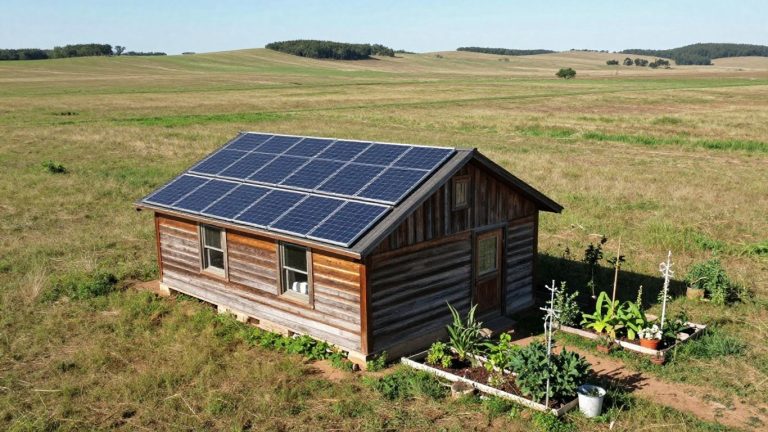
People living off-grid in Delaware tend to adopt a variety of practices to make their lifestyle work. Solar power is a big one, often paired with battery storage to keep the lights on when the sun isn’t shining. Rainwater harvesting systems are popular for water supply, and many homes utilize composting toilets to manage waste responsibly. Some folks also get into growing their own food, perhaps with a garden or even small livestock, and many embrace natural building methods. It’s a mix of practical solutions and a commitment to a more sustainable way of life. You might find that many off-gridders in Delaware are interested in permaculture principles, aiming to create systems that work with nature rather than against it. It’s interesting how many different paths lead to a similar goal of self-sufficiency. For those looking into land options, understanding zoning is key, as some areas might have specific rules about structures or utilities, like in Kent County where tiny homes have regulations [54c6].
The journey to off-grid living is as much about mindset as it is about technology. It requires a willingness to learn, adapt, and sometimes, to do things the hard way. But for many, the rewards of independence and a simpler life are well worth the effort.
Navigating Delaware’s Off-Grid Regulations
Figuring out the rules for living off-grid in Delaware can feel overwhelming, but a little preparation goes a long way. Whether you’re dreaming of a solar-powered cabin or just want to cut ties with public utilities, there are a mix of requirements you’ll need to follow. Let’s break down the major areas you need to know about before unplugging from the grid in Delaware.
Overview of Delaware’s Off-Grid Regulations
Delaware’s off-grid regulations are mostly designed to keep things safe for you and the environment. These laws touch on everything from building construction to energy systems, waste handling, and even what you can do with your land. The tricky part? These rules often change depending on your county or city, so local research is key.
- Zoning laws control where you can build and what you can use the land for.
- Building codes ensure structures are safe to live in and won’t create hazards.
- Environmental rules focus on water use, septic systems, and pollution prevention.
If you plan ahead and understand the basic rules, off-grid living in Delaware can be much less stressful.
Are There Legal Restrictions on Off-Grid Living in Delaware?
Yes, and they’re mostly meant to balance individual freedom with the well-being of your neighbors and the environment. Here are some main restrictions you’re likely to come across:
- Some counties require all dwellings to be connected to municipal water or sewer systems, which complicates going fully off-grid.
- Permits are usually needed for wells, septic tanks, solar panels, and new structures.
- Zoning ordinances might restrict RVs, tiny homes, or agricultural activities on certain parcels.
Example of Common Restrictions
| Area | Typical Requirement | Off-Grid Solution Needed |
|---|---|---|
| Water | Must use licensed well/drilling | Rainwater collection or permitted well |
| Wastewater | Requires septic inspection/permit | Composting toilets or permitted septic |
| Power/Energy | Permit for alternative systems | Solar/wind setup with permit |
What Are Off Grid Laws in Delaware?
Off-grid laws in Delaware cover these main areas:
- Energy Generation: You’ll usually need a permit to install solar panels or a wind turbine, and the setup must meet code.
- Water Collection & Use: Wells and some rainwater systems require a permit, mainly to protect public health.
- Waste Management: Composting toilets, septic tanks, and graywater systems are heavily regulated to prevent contamination.
- Building Standards: Any habitable structure must meet safety standards, including insulation, fire protection, and exits.
- Not following these laws can mean fines, delays, or even being forced to rebuild parts of your setup.
- These rules can shift quickly—always check with your local zoning and building department before starting any project.
Getting to know the local staff at your county office makes everything simpler and helps you avoid last-minute headaches.
Living off-grid in Delaware is possible, but it calls for a bit of flexibility and patience. Once you’ve figured out the basics, the path to self-sufficiency feels a lot less intimidating.
Zoning and Land Use for Off-Grid Homes
Zoning Laws in Delaware
Delaware splits land up by different uses—residential, agricultural, commercial, you name it. Every county (New Castle, Kent, Sussex) and each town can have its own set of requirements. Most off-grid folks hunt for parcels zoned agricultural or rural residential, since those usually offer more freedom for things like wells, septic systems, and solar installations. Subdivisions and town limits, though, pile on more rules for structures and may even force you to hook into public utilities. And don’t forget about setbacks—your home has got to be a certain distance from property lines, roads, and sometimes even other buildings.
If you’re calling the county or town, have your parcel number handy and stick to simple questions. For example:
- Is a primary home allowed?
- Can you live there full-time?
- Are off-grid setups (like solar and septic) okay?
- What’s the minimum lot or house size?
- Any special design or deed restrictions?
It really matters to nail down zoning before falling in love with a property. Many plans have been ruined by a single overlooked code or restriction.
What Are the Land Use Regulations for Off Grid Homes?
Land use rules decide the activities and structures allowed on a property. For off-griders, the biggest headaches are usually:
- Limits on structure type and size
- Prohibitions or restrictions on certain systems (like composting toilets)
- Environmental rules for wells, wastewater, and clearing land for solar/wind
Agricultural land tends to work best. The table below summarizes how common land designations stack up:
| Zoning Category | Off-Grid Friendliness | Common Limitations |
|---|---|---|
| Agricultural | High | Setbacks, sometimes lot size |
| Rural Residential | Medium-High | May restrict certain systems |
| Suburban/Town | Low | Utility hookup required |
| Conservation | Varies | Strict environmental rules |
If your dream setup conflicts with current rules, it’s sometimes possible to apply for a variance or special permit—but this can mean extra time, paperwork, and sometimes even a public hearing.
Selecting Land for Off-Grid Living
A lot goes into picking the right lot. Here’s a quick checklist to help:
- Confirm the zoning and land use category
- Ask about road access and utility easements
- Check for deed restrictions or HOA rules
- Look at natural features: Is it prone to flooding? Is there enough sun or wind for renewables?
- Make sure water and septic will be allowed
Finding the "perfect" piece of land can take a while. Don’t skip your homework—getting this wrong can ruin even the best off-grid plan.
Before making a down payment, visit the local planning office and make sure everything’s legit on paper. It really does save so much trouble down the line.
Building Codes and Essential Permits
So, you’re thinking about going off-grid in Delaware. That’s pretty cool! But before you start dreaming of your solar-powered paradise, let’s talk about the paperwork. Building codes and permits might not be the most exciting part, but they’re super important to make sure your place is safe and legal. Think of them as the guardrails for your off-grid adventure.
Building Codes and Permits
Even if you’re not plugging into the grid, Delaware still has rules about how you build. These aren’t just random regulations; they’re in place to keep you and your neighbors safe. The state, and often individual counties, have adopted building codes that cover everything from the foundation to the roof. These codes ensure your home is structurally sound, can handle the weather, and meets basic safety standards. Ignoring these can lead to big headaches later, like fines or even having to tear down something you just built.
Required Permits for Off-Grid Systems
Going off-grid usually means you’ll need permits for specific systems. This isn’t just for a standard house; it applies to your unique setup too. You’ll likely need:
- Building Permit: This is for the structure itself. It covers things like where you can build on your land (setbacks), the foundation, and the framing. It’s the big one that says your house plan is generally okay.
- Electrical Permit: If you’re installing solar panels, batteries, or a generator, you’ll need this. It ensures your electrical system is wired safely and up to code. A licensed electrician is usually required for this part.
- Plumbing Permit: This covers your water supply (like a well) and your wastewater disposal (like a septic system). These are critical for health and environmental reasons. Delaware has specific rules about wells and septic systems, so you’ll want to check with the Department of Natural Resources and Environmental Control for details.
- Mechanical Permit: Sometimes, depending on your heating and cooling setup, you might need a permit for that too.
Inspections for Off-Grid Setups
Once you have your permits, you’ll have inspections. Don’t think of inspectors as the fun police; they’re there to verify that everything is built according to the approved plans and codes. They’ll check:
- Safety Features: Things like smoke detectors, carbon monoxide alarms, and proper electrical grounding.
- Structural Integrity: Making sure your house won’t fall down in a strong wind.
- System Compliance: That your electrical and plumbing systems are installed correctly and safely.
Remember, being off-grid doesn’t mean you get to skip safety checks. Inspectors are focused on whether your home is safe to live in, not whether you’re connected to the utility company. They’ll want to see that your wiring is sound, your structure is solid, and your insulation meets requirements, even if your heat comes from a wood stove and your power from the sun. It’s all about creating a safe and healthy living environment.
It’s a good idea to talk to your local county planning and zoning office early on. They can help you understand the specific requirements for your area. Governor Matt Meyer has signed an executive order aimed at simplifying Delaware’s permitting regulations, which might make the process a bit smoother. Getting these permits and passing inspections might seem like a hassle, but it’s a necessary step for a secure and legal off-grid home.
Energy and Utility Systems for Self-Sufficiency
Setting up your own energy and utility systems is a big part of living off the grid. It’s not just about slapping some solar panels on the roof; it’s a whole interconnected system that needs careful planning. You’ll be responsible for generating your own power, managing your water, and dealing with waste, all while trying to keep things running smoothly.
Common Energy Systems for Off-Grid Homes
When you’re off the grid, you’re the power company. Most folks rely on a mix of renewable sources. Solar power is super popular, especially here in Delaware where we get decent sunshine. You’ll see a lot of photovoltaic panels, but you’ve also got wind turbines, though they’re less common for individual homes due to space and noise. The real trick is storing that energy. Batteries are key – think deep-cycle lead-acid or, more commonly now, lithium-ion. These store the power generated during the day for use at night or on cloudy days. You’ll also want a backup generator, usually propane or diesel, for those times when renewables just aren’t cutting it. A lot of people are looking into small plug-in solar systems, and there’s even legislation being considered to help make that easier permitting small solar systems.
Here’s a quick rundown of common energy components:
- Solar Panels: Convert sunlight into DC electricity.
- Charge Controller: Regulates the flow of electricity from panels to batteries, preventing overcharging.
- Battery Bank: Stores the generated electricity for later use.
- Inverter: Converts DC electricity from batteries into AC electricity, which most appliances use.
- Backup Generator: Provides power when renewable sources are insufficient.
Water Management for Off-Grid Living
Water is life, right? Off-grid living means you’re in charge of your water supply. Many people drill wells, which is a pretty standard approach. You’ll need a pump, usually powered by your off-grid system, to bring the water up. Then, it needs to be filtered and treated to make sure it’s safe to drink. Rainwater harvesting is another option, collecting water from your roof into large cisterns. This requires a good filtration system too. You also have to think about how you’ll use water efficiently, especially during dry spells. Conserving water is just as important as collecting it.
Waste Disposal Options
Dealing with waste is a significant consideration. Septic systems are the most common solution for wastewater. These systems treat sewage on-site, typically involving a tank and a drain field. It’s important to have these installed correctly and maintained regularly to avoid environmental issues and health hazards. For solid waste, composting toilets are becoming more popular. They break down waste naturally, reducing the need for a traditional septic system and creating usable compost. Recycling and reducing overall waste are also big parts of the lifestyle.
Proper planning for your energy, water, and waste systems is not just about convenience; it’s about sustainability and long-term viability. These systems need to work together reliably, especially when you’re the only one maintaining them.
Some folks also look into connecting to the grid as a backup, which is called a dual system. This can offer a safety net, but it comes with its own set of regulations and costs. You’ll need to understand interconnection standards and potentially net metering policies if you plan to send excess power back to the grid. It’s a complex topic, and talking to utility companies is a good first step understanding grid connection.
Comparing Delaware’s Off-Grid Laws
When thinking about living off-grid in Delaware, it’s helpful to look at how the state’s rules match up with those in nearby areas. Delaware’s approach stands out for its balance between safety, environmental concerns, and encouraging self-reliance. But the details can really affect your experience if you’re moving from another state or planning a new off-grid project.
How Do Off-Grid Laws in Delaware Compare to Other States?
Delaware’s regulations for off-grid living are similar to its neighbors in some ways but unique in others. Here’s a quick breakdown:
- Energy Generation: Delaware accepts renewable sources like solar and wind for off-grid use, just like Maryland and New Jersey. Permitting is about average—straightforward, but expect oversight.
- Zoning and Building Codes: Compared to Pennsylvania, Delaware’s local zoning rules are slightly stricter—especially around waste management and building sizes.
- Water Use: Water rights aren’t as contentious in Delaware as in some Western states, where accessing groundwater can be a sticking point.
| State | Renewable Energy Permits | Water Collection Rules | Zoning Restrictions |
|---|---|---|---|
| Delaware | Required | Moderate | Moderate |
| Pennsylvania | Often Required | Moderate | Variable |
| Maryland | Required | Relaxed | Strict in suburbs |
| New Jersey | Required | Strict in some areas | Moderate |
| West Virginia | Not Always Required | Relaxed | Fewer restrictions |
If you’re dreaming of a flexible, low hassle off-grid lifestyle, states like West Virginia might look easier, but Delaware’s rules aim to keep communities safe and the environment healthy. Sometimes the extra paperwork is worth the peace of mind.
Neighboring States’ Regulations
Looking at the states around Delaware, policies can vary a lot. Here are some key differences:
- Maryland and New Jersey have more detailed rules around water reuse and rainwater harvesting.
- Pennsylvania’s rural counties sometimes have fewer regulations, but suburban spots are catching up with stricter codes.
- West Virginia is more relaxed on most things but offers less oversight, which can be good or bad depending on what you need.
If you’re deciding between states, think about:
- Access to knowledgeable local officials.
- Community acceptance of alternative building methods.
- Incentives or rebates for renewable energy installations.
Best Practices from Other States
Other states offer tips on what works well:
- Simple permitting paths: Streamlined forms make setting up solar panels or compost systems much easier.
- Community education: States that educate about sustainability see smoother approvals and fewer complaints.
- Flexible zoning: Allowing mixed-use or tiny homes can invite more people to try living off-grid successfully.
Being informed about what works elsewhere can actually help Delaware shape its own rules for the better—sometimes pushing for small tweaks in the permitting process or more clarity in zoning policies just makes life off-grid a lot simpler.
Daily Life and Community in Delaware
Living Off-Grid Day to Day
Everyday off-grid living in Delaware is all about routines and resourcefulness. Early mornings often start with checking water levels, harvesting from the garden, or tending chickens if you keep them. Most folks shovel compost, pull weeds, and check on their energy systems. Tools get fixed out by the shed, and you keep a close eye on the weather—anything from a humid thunderstorm to frost seems possible here. Life runs on planning. You spend time prepping meals using garden produce, or finishing tasks before daylight fades.
- Make a checklist for daily system checks (solar, water tanks, waste bins)
- Plan meals around what’s ready in the garden or preserved from the last season
- Set aside time for simple chores: wood chopping, fence repairs, and pet care
Even when the power goes out in town, your routine doesn’t change much—being set up off-grid means disruptions are rare and manageable.
Food Storage and Security
Fresh produce goes fast, especially in the heat, so root cellars, propane or solar fridges, and canning become musts. Canning tomatoes, beans, and homemade jams takes a chunk of effort in the summer so you coast through winter. Dehydrating herbs and stashing squash in cool corners helps too. Security is practical—motion lights on trails, a good set of locks, and maybe a friendly dog that barks if anything’s wrong. Neighbors become your emergency contact list if anything looks off.
Here’s a short table for typical food storage options:
| Storage Method | Common Items | Pros |
|---|---|---|
| Root cellar | Potatoes, carrots | Stays cool year-round |
| Propane fridge | Dairy, meats | Reliable off-grid cooling |
| Canning/jars | Veggies, jams | No energy used |
| Dehydrator | Herbs, fruits | Saves space, easy snacks |
- Use sturdy bins to guard against rodents
- Check jar seals and fridge temps weekly
- Rotate older food up front for easy use
Connecting with Off-Grid Communities
Finding your crew isn’t all that easy at first. Most off-gridders in Delaware go solo or with their families, but community ties grow over time. You might join a homesteader Facebook group, or meet folks at local farmer’s markets and seed swaps. Permaculture clubs near Dover and Newark host meet-ups; they’re good for tool lending or swapping ideas about what plants work. It’s pretty casual—sometimes just bumping into someone at a feed store leads to swapping seeds or setting a new fence line together.
Some ways to make those connections:
- Join online forums or Delaware-based Facebook groups for off-grid or homesteading
- Attend local workshops about solar, gardening, or animal husbandry
- Trade skills or extra harvests with neighbors—whether you need firewood, eggs, or advice
The best support often comes from regular chats and helping hands, not any big commune setup—just people nearby who get the lifestyle and want everyone to do well.
Wrapping Up Your Delaware Off-Grid Dream
So, you’re thinking about living off the grid in Delaware. It’s definitely doable, and honestly, pretty appealing with all the green space. Just remember, ‘off-grid’ doesn’t mean ‘no rules.’ You’ll need to pay attention to local zoning, building codes, and health department requirements. Picking the right spot is key, and Sussex County often has more room to spread out. Getting a perc test done early can save you a lot of headaches down the road, especially with our damp soil. By planning ahead and working with county rules, you can absolutely make your self-sufficient life a reality here in the First State.
Frequently Asked Questions
What exactly does ‘living off the grid’ mean in Delaware?
Living off the grid in Delaware means you’re not hooked up to the usual town utilities like electricity, water, or sewer. Instead, you create your own power, often with solar panels, and manage your own water supply, maybe from a well or by collecting rainwater. You also handle your own waste, usually with a septic system or a composting toilet. It’s all about being self-sufficient!
Are there special laws in Delaware that stop people from living off the grid?
Delaware doesn’t have a statewide law that says you can’t live off the grid. However, you still have to follow the same basic rules as everyone else. This includes zoning laws, which decide what you can build where, and building codes that ensure your home is safe. You also need to meet health rules for things like water and waste.
What kind of permits will I likely need for an off-grid home in Delaware?
You’ll probably need permits for building your house, and for any electrical or plumbing work. If you’re digging a well for water or installing a septic system for waste, those will require specific permits and inspections too. It’s best to check with your local county or town office to find out exactly what you need.
How do Delaware’s rules for off-grid living compare to other states?
Delaware’s rules are pretty typical. Like many states, it focuses on making sure off-grid homes are safe and don’t harm the environment. Some states might be a bit more relaxed about solar panels, while others have stricter rules about land use. It’s always smart to look at the specific rules where you plan to live, rather than just assuming they’re the same everywhere.
What are the main challenges of living off the grid in Delaware?
One big challenge is making sure your systems, like solar power and water, can handle Delaware’s weather, which can be humid in the summer and have storms. Finding land that allows off-grid living can also be tricky due to zoning. Plus, you have to be really organized with permits and inspections to stay on the right side of the law.
Where can I find other people living off the grid in Delaware to learn from?
You can often find local groups online, especially on social media sites like Facebook, where people share tips about homesteading and off-grid living. Sometimes there are local meetups or workshops related to sustainable living or permaculture. Connecting with neighbors who are also off-grid or interested in it can be a great way to share knowledge and support.
Explore more tiny home living, design, downsizing, building, and lifestyle resources.