Exploring Tiny Home Communities: What States Are Leading the Way?

Thinking about downsizing or just want a simpler way to live? Tiny home communities are popping up all over the place, offering a unique lifestyle. It’s not just about having a smaller house; it’s about building connections and living more sustainably. So, what states are leading the way in making tiny home living a reality for more people?
Key Takeaways
- States like California, Oregon, and Texas are at the forefront, thanks to supportive local laws and a growing number of communities.
- Zoning regulations and building codes are huge factors; some states have updated rules to make tiny homes easier to build and place.
- Sustainability is a big deal, with many communities focusing on eco-friendly designs and practices.
- Beyond just housing, these communities often emphasize social connection and a shared lifestyle.
- The trend is expanding, with new tiny home developments appearing in states across the country, catering to different needs and preferences.
States Leading the Tiny Home Community Movement
Tiny home communities are popping up all over the country, and some states are really leading the charge. It’s not just about having a small house anymore; it’s about a whole lifestyle. These places are becoming popular because they offer a simpler, more sustainable way to live, and people are really connecting with that idea.
California’s Expanding Eco-Friendly Villages
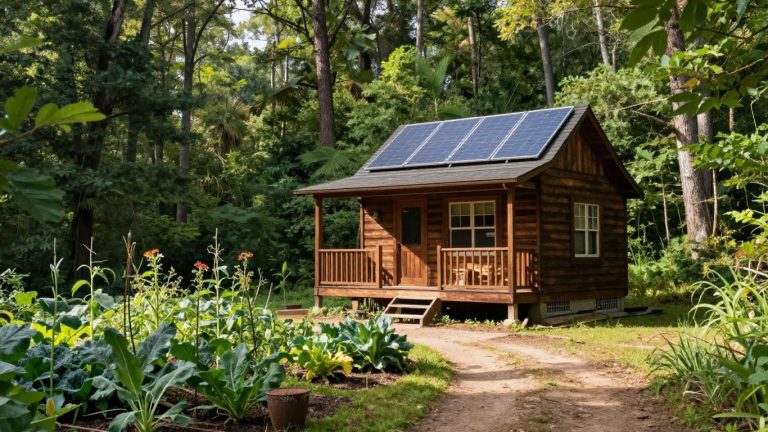
California has been a big player in the tiny home movement for a while now. They’ve got a lot of communities that focus on being eco-friendly, which fits right in with the state’s general vibe. You’ll find places that really push for solar power, water conservation, and using sustainable building materials. It’s not just about living small; it’s about living responsibly.
- Focus on Sustainability: Many communities prioritize renewable energy and green building practices.
- Diverse Options: From coastal areas to more inland spots, California offers a range of settings.
- Regulatory Support: While it can still be complex, California has made strides in making tiny homes more accessible.
California’s approach often involves integrating tiny homes into existing neighborhoods or creating new developments with a strong environmental focus, making it a go-to state for those seeking a greener lifestyle.
Texas: Regulatory Pioneer for Tiny Living
Texas is another state that’s really stepped up. They’ve been pretty proactive in figuring out the rules and regulations around tiny homes, which makes it easier for people to actually build and live in them. Some cities have even been recognized as being particularly tiny-home-friendly. This forward-thinking approach has helped a lot of communities get off the ground and thrive.
- Zoning Innovations: Texas cities have been early adopters of zoning laws that accommodate tiny homes.
- Community Growth: This has led to a noticeable increase in the number of tiny home communities across the state.
- Affordability Focus: Many developments aim to provide more affordable housing solutions.
Oregon’s Progressive Urban and Rural Developments
Oregon, especially places like Portland, has been at the forefront of embracing alternative housing. They’ve got a good mix of urban and rural tiny home communities. The state has a strong culture of sustainability and a generally progressive outlook, which naturally lends itself to the tiny home movement. You can find everything from cozy cottage clusters in the city to more spread-out, nature-focused villages in the countryside.
- Urban Integration: Cities like Portland have actively worked to allow tiny homes and ADUs.
- Rural Charm: Beautiful natural settings provide a peaceful backdrop for rural tiny home living.
- Community Spirit: Oregonians often value community and shared resources, which aligns well with tiny home living.
Standout Tiny Home Communities in the Western United States
When you think about the West, you might picture wide-open spaces and maybe some stunning mountain views. Well, the tiny home movement has definitely found a good home out here, blending that sense of freedom with a more intentional way of living. It’s not just about having less stuff; it’s about building a life with more connection and less impact.
Tiny House Communities in Oregon Coastal and Urban Areas
Oregon has really stepped up when it comes to tiny homes. You’ll find places that offer that classic Pacific Northwest vibe, close to the coast or right in the mix of cities like Portland. These spots often focus on sustainability, with many incorporating features like rainwater harvesting and solar power. It’s a great example of how tiny living can fit into different environments, whether you’re looking for a quiet retreat or something closer to urban conveniences.
- Coastal Charm: Imagine waking up to the sound of the ocean, with your cozy tiny home just a short walk from the beach. These communities often have a laid-back feel, perfect for those who love the outdoors.
- Urban Infill: In cities, tiny homes are popping up in creative ways, sometimes on vacant lots or as part of larger developments. This offers a more affordable way to live close to city centers and all the jobs and entertainment they provide.
- Community Focus: Many Oregon communities emphasize shared spaces and activities, helping residents connect and build relationships. Think community gardens, shared workshops, and regular potlucks.
Colorado’s Scenic and Regulation-Friendly Sites
Colorado is another state where tiny homes are gaining traction, especially with its incredible natural beauty. You can find communities nestled in the mountains or closer to Denver, offering a mix of outdoor adventure and community living. The state has been making strides in making it easier to build and live in tiny homes, which is a big plus for anyone considering the move.
The appeal of Colorado for tiny home dwellers lies in its stunning landscapes and a growing acceptance of alternative housing solutions. It’s a place where you can truly embrace a simpler lifestyle surrounded by nature, without facing too many bureaucratic hurdles.
Utah’s Emerging Tiny Home Developments
While maybe not as established as some other states yet, Utah is definitely on the rise for tiny home communities. Areas south of Salt Lake City, in particular, are starting to see changes in zoning laws that are opening doors for these smaller dwellings. It’s an exciting time to watch these developments grow, offering new possibilities for affordable and minimalist living in the Beehive State. Keep an eye on this region as it continues to evolve.
Top Tiny Home Community Hotspots in the South and Midwest
The South and Midwest are really stepping up when it comes to tiny home communities. It’s not just about downsizing anymore; it’s about finding a place that feels right, a community that fits your vibe. These regions offer a mix of affordability, natural beauty, and a growing acceptance of this unique lifestyle. We’re seeing developments pop up that really focus on what people are looking for: connection, sustainability, and a simpler way of living.
Texas’ Spur and Austin-Area Communities
Texas is a big state, and it’s got some big ideas when it comes to tiny homes. Spur, for instance, made headlines for being one of the first towns to officially welcome tiny homes, even offering free land to get things started. It’s a place that really embraces the tiny lifestyle. Then you have the areas around Austin, which are buzzing with activity. These spots often blend the convenience of being near a major city with the charm of a close-knit community. Think of it as having your cake and eating it too – access to jobs and entertainment, but with a peaceful tiny home base.
Tennessee’s Mountain and Valley Villages
Head over to Tennessee, and you’ll find communities nestled in some pretty spectacular scenery. We’re talking about places tucked away in the mountains or spread out in peaceful valleys. These aren’t just pretty locations; they often come with a strong emphasis on sustainability and a desire to live more in tune with nature. Many of these villages are designed to be self-sufficient, with residents often sharing resources and working together. It’s a lifestyle that appeals to folks looking to escape the hustle and bustle and reconnect with the outdoors.
Kansas and Missouri: Community and Connectivity
In Kansas and Missouri, the focus often seems to be on building strong community bonds. Take Tiny House Estates in Kansas City, Kansas, for example. It’s designed to be a friendly neighborhood where people can easily connect. They’ve got shared spaces like a clubhouse and a garden, which really helps neighbors get to know each other. It’s this sense of belonging that draws many people to tiny home living. These communities understand that living small doesn’t mean living isolated. You can find great options for tiny home communities in the Midwest that prioritize social interaction and shared activities.
Growing Tiny Home Options in Michigan and Indiana
Michigan and Indiana are also getting in on the tiny home action. Michigan, with its beautiful lakeshores and four-season climate, is seeing new developments that offer scenic spots and reasonable land costs. The state has been updating its rules, making it easier to set up permanent tiny homes. Indiana, particularly around cities like Indianapolis and Bloomington, is developing tiny home subdivisions that offer practical living with community gardens and pet-friendly lots. These areas are becoming popular for people seeking affordable, community-focused living in the heartland.
The appeal of these regions lies in their ability to offer a tangible alternative to traditional housing. They provide a pathway to homeownership that is more accessible and often more aligned with personal values like simplicity and environmental consciousness. The growth here isn’t just about building houses; it’s about cultivating lifestyles.
Here’s a quick look at what some of these areas offer:
- Texas: Known for early adoption and welcoming policies, especially around Austin.
- Tennessee: Offers scenic, nature-focused communities in mountain and valley settings.
- Kansas/Missouri: Emphasizes social connection and shared amenities.
- Michigan/Indiana: Growing options with affordable land and community-oriented developments.
It’s clear that the South and Midwest are becoming major players in the tiny home movement, offering diverse and appealing options for anyone looking to live a little smaller and a lot more connected.
East Coast and Northeastern Tiny Home Living Destinations
The East Coast, with its diverse landscapes and growing acceptance of alternative housing, is becoming a hotbed for tiny home communities. From the mountains of North Carolina to the shores of Florida, these areas offer unique living experiences.
North Carolina’s Flat Rock and Pittsboro Villages
North Carolina is making a name for itself in the tiny home world. The Village at Flat Rock, nestled near the Blue Ridge Mountains, offers a peaceful setting with over 60 tiny homes. It’s got all the shared amenities you’d expect, like a clubhouse and pool, plus easy access to hiking and kayaking. It really feels like a tight-knit neighborhood focused on eco-friendly living. Then there’s Wildwoods Community in Pittsboro, another spot showing how North Carolina is embracing smaller, more sustainable living.
Florida’s Orlando Lakefront Community
Down in Florida, the Orlando Lakefront community is a prime example of tiny home living with a waterside twist. Imagine waking up to views of the lake – pretty sweet, right? This community is designed for people who love being near the water and want a simpler lifestyle. It shows that even in a state known for theme parks, there’s a strong pull towards more minimalist and connected ways of living.
New York’s Hudson Valley and Maine’s Coastal Options
Heading north, the Hudson Valley in New York is seeing interest in tiny homes, offering a blend of rural charm and proximity to urban centers. It’s a great spot for those who want to be close to nature but still have access to city amenities. Further up the coast, Maine offers a different vibe with its picturesque coastal communities. These spots often attract people looking for a slower pace of life, surrounded by the natural beauty of the Atlantic. These diverse locations highlight the broad appeal of tiny home living across the entire East Coast.
The legal side of tiny homes can be a bit tricky, so it’s always a good idea to check local rules before you get too set on a place. Things are changing, though, and more towns are starting to see the benefits of these smaller dwellings, especially for affordability and greener living.
Key Factors Driving Success in Tiny Home Communities
So, what makes a tiny home community really work? It’s not just about cramming small houses together. Several things really matter, and they all kind of tie into making life good for the people living there.
Impact of Local Zoning Laws and Building Codes
This is a big one, honestly. If the local rules don’t allow tiny homes, or make it super hard to build them, then a community just isn’t going to happen. It’s like trying to build a house without a foundation. States and towns are getting better at this, creating specific rules for tiny houses, which is a huge help. Without clear regulations, it’s a legal minefield for both builders and residents. We’re seeing more places figure this out, which is great for the tiny home movement.
Emphasis on Sustainability and Eco-Design
Lots of people drawn to tiny living are also really into being kind to the planet. So, communities that focus on things like solar power, rainwater collection, and using recycled materials tend to do really well. It’s not just a trend; it’s a core part of the lifestyle for many. Think about communities that have shared gardens or composting programs – that stuff really adds up and makes a difference. It’s about living a bit lighter on the earth, and that’s a big draw for folks looking for a simpler way of life.
Community Governance and Social Connectivity
Living in close quarters means you’ve got to get along, right? Successful communities often have a good way of managing themselves, whether it’s through a homeowners’ association or just informal agreements. They figure out how to handle shared spaces, noise, and general neighborly stuff. Plus, having places to hang out, like a common house or a park, really helps people connect. It’s that feeling of belonging that makes a tiny home community feel like home, not just a collection of small houses.
Here are some things that help build that connection:
- Regular potlucks or community meals
- Shared tool libraries or workshops
- Organized group activities or outings
- A clear process for resolving neighborly disputes
Ultimately, the success of a tiny home community hinges on a blend of practical considerations and the human element. When zoning is clear, sustainability is a priority, and people feel connected and well-governed, that’s when these places truly thrive.
Trends and Innovations Shaping Tiny Home Communities
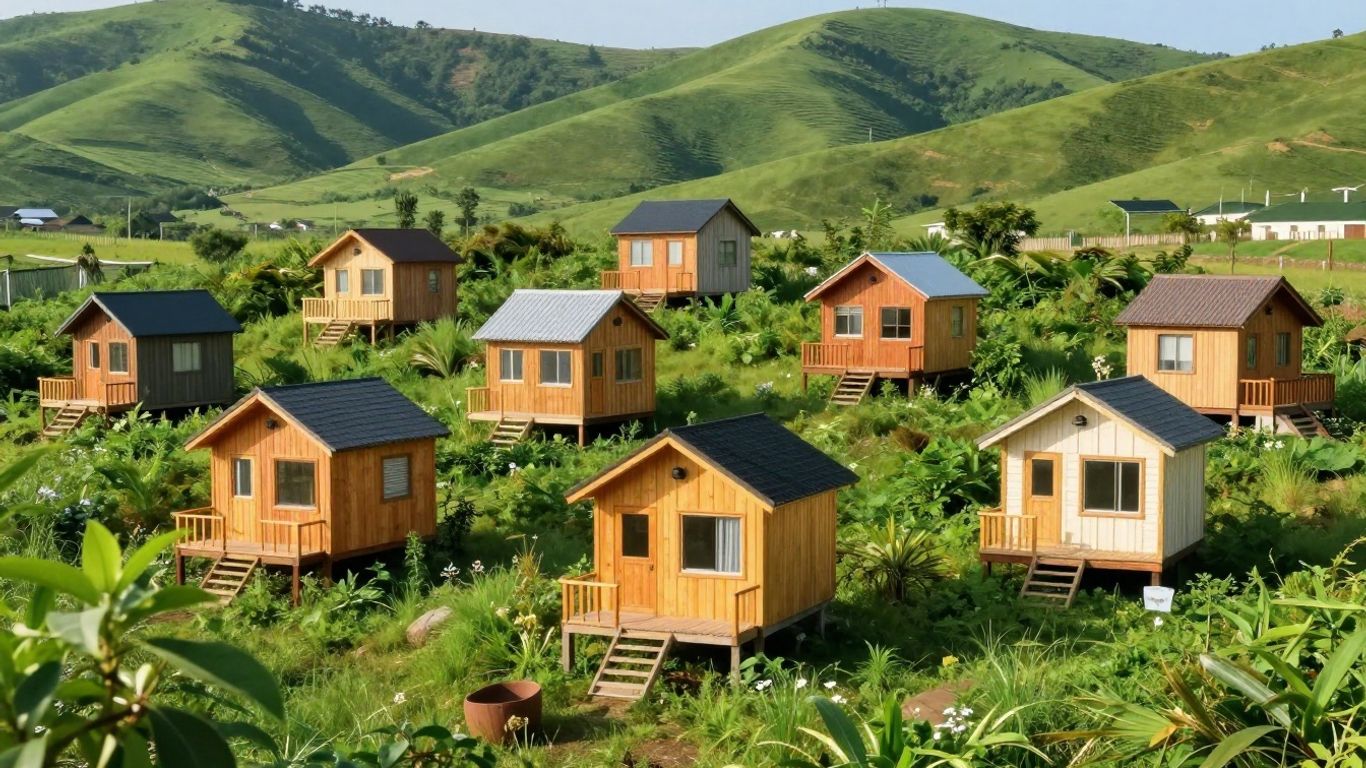
Tiny home communities are really evolving, and it’s not just about living small anymore. We’re seeing some pretty cool shifts happening that make these places even more appealing.
Growth of Off-Grid and Intentional Living Villages
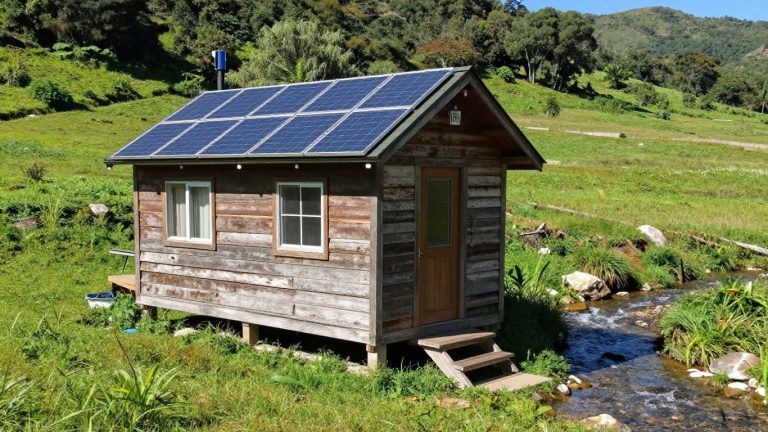
One of the biggest things is the move towards off-grid living. More and more communities are designed with sustainability at their core. Think solar panels on every roof, rainwater harvesting systems, and composting toilets. It’s about living with a lighter touch on the planet. These aren’t just places to live; they’re often built around shared values and a desire for a simpler, more connected life. People are actively seeking out these intentional communities where they can really feel a sense of belonging and purpose.
Urban Expansion to Combat Housing Shortages
Cities are starting to get on board too. With housing costs through the roof in many urban areas, tiny home communities are popping up as a real solution. Developers are finding creative ways to use vacant lots or underutilized spaces to create these compact neighborhoods. It’s a smart way to add affordable housing options right where people need them, close to jobs and public transport. Some places are even allowing tiny homes as accessory dwelling units (ADUs), which is a huge step forward.
Attraction for Retirees, Young Professionals, and Remote Workers
It’s not just one type of person drawn to tiny home living anymore. We’re seeing a real mix. Retirees are finding that tiny homes offer a lower-maintenance lifestyle with less upkeep and more opportunities for social connection. Young professionals and families are attracted by the affordability, allowing them to own a home in areas where that would otherwise be impossible. And with the rise of remote work, digital nomads and freelancers are finding that tiny home communities offer a flexible and often beautiful place to set up their home base. It’s a lifestyle that’s becoming more mainstream and adaptable to different life stages.
The future of tiny home communities looks bright, with a strong emphasis on eco-friendly design, community building, and innovative solutions to housing challenges. As regulations loosen and more people embrace minimalist living, expect to see even more creative and sustainable tiny home developments emerge across the country.
Practical Tips for Choosing the Right Tiny Home Community
So, you’re thinking about joining the tiny home movement and want to find a community that just feels right. It’s a big step, and honestly, it can feel a little overwhelming with all the options out there. But don’t worry, we’ll break down how to find your perfect spot.
How to Research and Visit Prospective Communities
First things first, you’ve got to figure out what you actually want. Are you looking for a quiet place to chill, or do you want a community buzzing with activities? Think about your budget, too – not just for the lot rent, but for utilities and any community fees. Also, consider how close you need to be to work, family, or just the grocery store. It’s all about matching the community to your life.
Once you have a general idea, start looking online. There are websites and even Facebook groups dedicated to tiny home communities. Make a shortlist of a few places that seem promising. But here’s the really important part: you absolutely have to visit them in person. Seriously, don’t skip this. Spend a day, or even a weekend if you can. Talk to the people who already live there. Get a feel for the vibe. Are people friendly? Is it noisy? Does it feel safe? This is where you’ll learn more than any website can tell you.
Here’s a quick checklist for your visits:
- Lot Rent & Fees: What’s the monthly cost, and what does it include? Are there extra charges for amenities?
- Amenities: What’s available? Think shared kitchens, laundry, common areas, Wi-Fi, or even gardens.
- Community Rules: What are the policies on pets, guests, noise, and home modifications?
- Location Perks: How close is it to essentials like shops, healthcare, and maybe even your job?
- Overall Atmosphere: Does it feel welcoming? Do people seem to get along?
Navigating Legal and Regulatory Hurdles
This is where things can get a bit tricky, but it’s super important. Every town and state has its own rules about tiny homes. Some places are really welcoming, while others can be a real headache. You need to make sure the community you’re looking at is actually allowed to have tiny homes as permanent residences. Sometimes a place might be zoned as an RV park, which can affect things like getting mail or registering to vote. It’s a good idea to check with the local planning department to be sure everything is above board. You don’t want to move in and then find out there’s a legal issue down the road.
Always ask for proof that the community is legally permitted for full-time tiny home living. This might involve checking zoning classifications and asking for a certificate of occupancy. Understanding these details upfront can save you a lot of trouble later.
Evaluating Lifestyle Compatibility and Amenities
Think about what makes you happy day-to-day. Do you want a place with lots of organized events and social gatherings, or do you prefer more peace and quiet? Some communities are really focused on sustainability and eco-friendly living, which might be a big draw for you. Others might have great shared workspaces if you work remotely, or maybe a community garden is your thing. Consider the health and wellness aspects too – are there walking trails or fitness areas? It’s about finding a place where you’ll fit in and feel comfortable. Don’t forget to look into the community’s long-term plans. Is it growing? Are they adding new features? You want to be somewhere stable.
When you’re looking at amenities, think about what you’ll actually use. A fancy gym might sound nice, but if you never go, it’s just an extra cost. On the flip side, reliable internet might be non-negotiable if you work from home. Also, consider the practical stuff like parking for your car or guests, and how accessible the community is, especially if you have any mobility concerns. Finding a place that allows tiny homes in RV parks can offer a good balance of amenities and flexibility.
The Tiny House Movement is Growing
So, it looks like tiny house living is really taking off across the country. States like Texas, California, and Oregon are leading the way with more relaxed rules and actual communities popping up. But it’s not just about finding a spot to park your tiny home; it’s about finding a community that fits your vibe. Whether you’re after a quiet, eco-friendly setup or something closer to the city buzz, there are options out there. As more people look for simpler, more sustainable ways to live, these tiny house communities are only going to become more popular. It’s definitely an interesting trend to keep an eye on.
Frequently Asked Questions
What makes a state good for tiny home communities?
States that are good for tiny home communities usually have rules that allow smaller homes. They also have places where people can build or park these homes. States like Texas, California, and Oregon are known for being welcoming to tiny homes because their laws support them.
Are tiny home communities becoming more popular?
Yes, tiny home communities are definitely getting more popular. Many people want to live a simpler life, save money, and be kinder to the environment. These communities offer a way to do that while still being part of a neighborhood.
What are the main benefits of living in a tiny home community?
Living in a tiny home community can offer lower living costs, a chance to live more sustainably, and a strong sense of community with neighbors. It’s a great way to focus on experiences and relationships rather than owning a lot of stuff or a big house.
How do I find a tiny home community that’s right for me?
To find the right community, think about what’s important to you, like the location, the environment, and the people. Research different communities online, visit them if you can, and talk to people who already live there. Make sure the community’s rules and lifestyle fit what you’re looking for.
What are some new trends in tiny home communities?
New trends include communities that focus on being eco-friendly, like using solar power and collecting rainwater. Some are also popping up in cities to help with housing shortages, and others are designed for specific groups like retirees or remote workers who want a simpler lifestyle.
Are there any challenges to living in a tiny home community?
Sometimes, finding a place to legally put a tiny home can be tricky because of local rules. Also, you need to be okay with living in a smaller space and sharing common areas with neighbors. It’s important to understand the rules and what living in a small space really means before you commit.
Explore more tiny home living, design, downsizing, building, and lifestyle resources.