Off Grid Living in South Dakota: Essential Tips and Resources for 2026
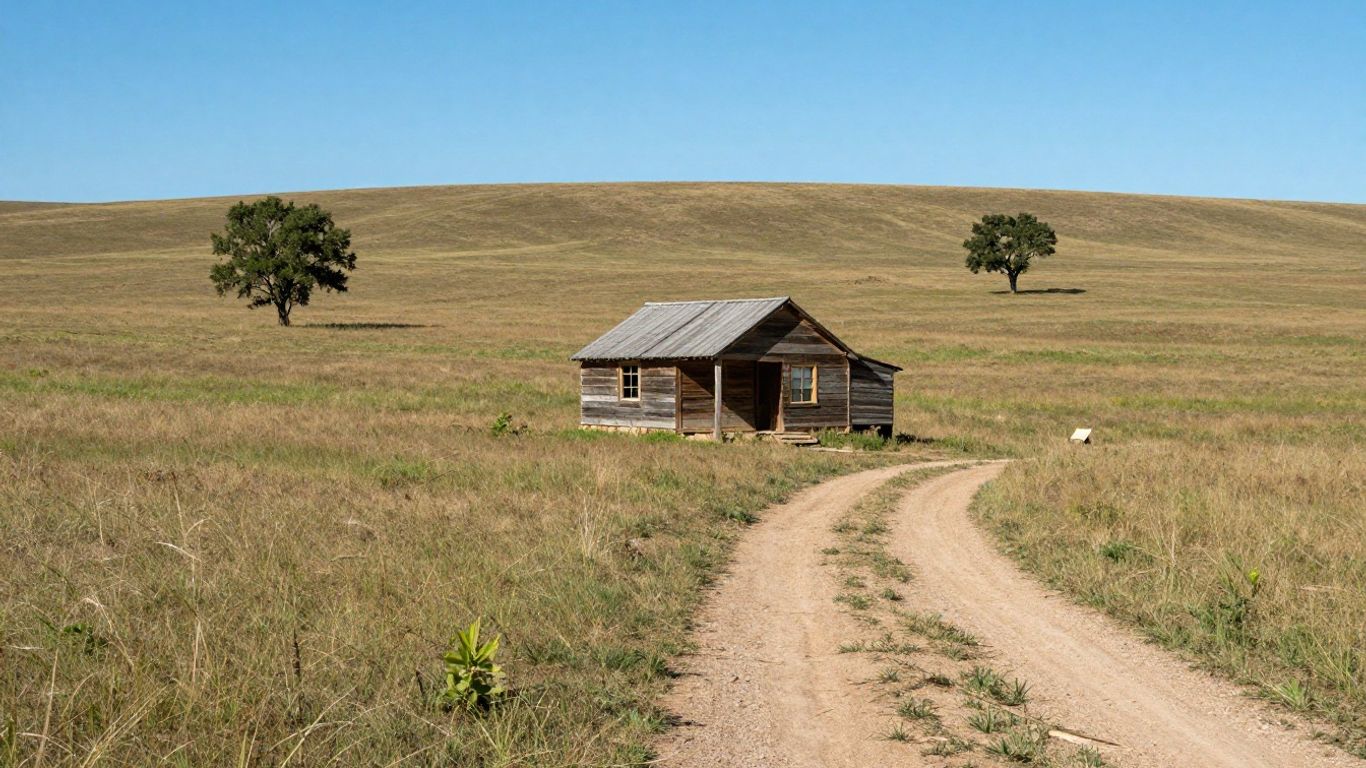
Thinking about embracing a more self-sufficient lifestyle in South Dakota? You’re not alone. The wide-open spaces and independent spirit of the Mount Rushmore State make it a prime spot for off grid living in South Dakota. But it’s not all sunshine and wide-open fields; there’s a lot to consider before you trade city lights for starry nights. This guide breaks down what you really need to know, from understanding your land to making sure your systems can handle those famous South Dakota winters. Let’s get you ready to live that dream.
Key Takeaways
- South Dakota offers a great environment for off-grid living, especially in areas like the Black Hills, with good access to natural resources and a community that values self-reliance.
- Carefully assess land size, but focus more on usable space, considering factors like terrain, water sources, and local zoning laws before buying.
- Plan for reliable power, water, and waste management systems; solar power with backup generators and well water with filtration are common solutions.
- Understand and comply with county zoning and permitting requirements for wells, septic systems, and building to ensure your off-grid setup is legal.
- Embrace the four distinct seasons by preparing for harsh winters with good insulation and heating, and managing summer fire risks and spring thaw challenges.
Understanding Land and Space for Off-Grid Living
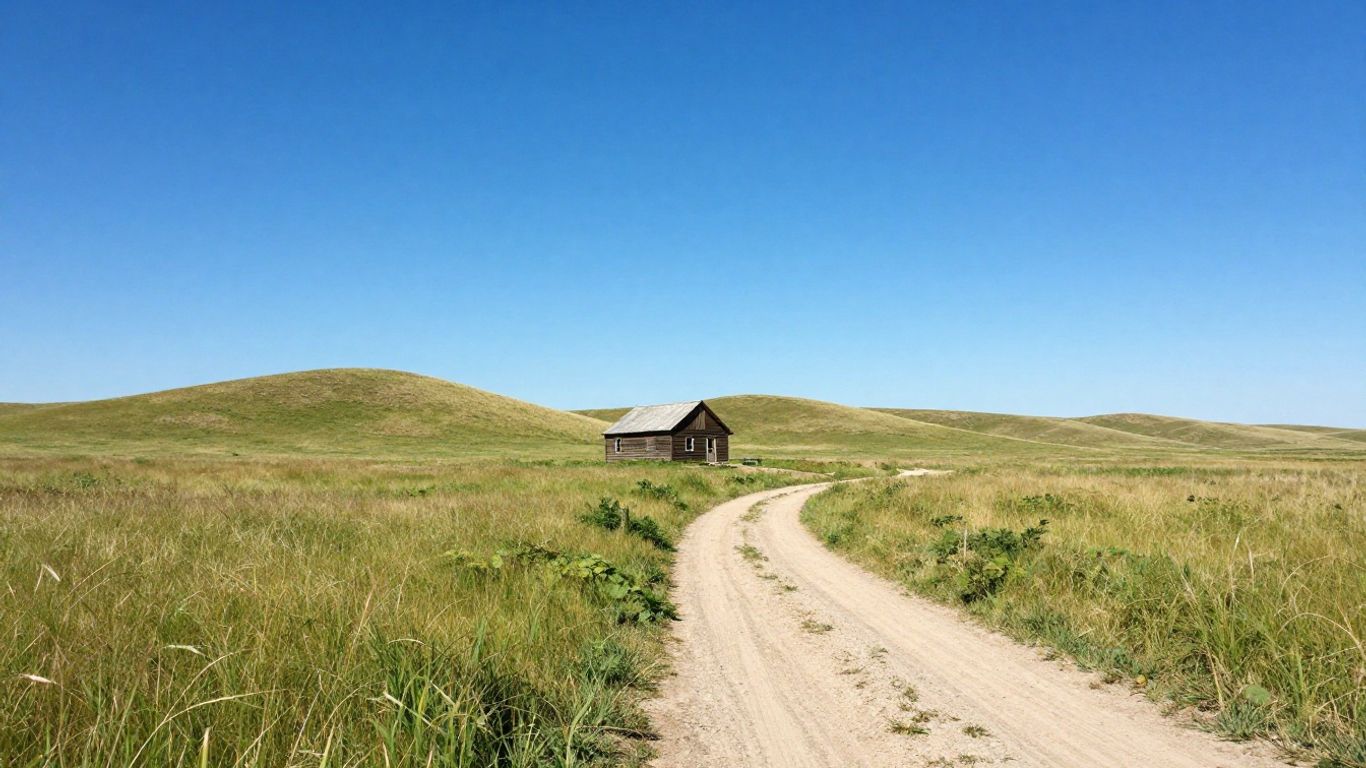
Getting started with off-grid living in South Dakota really boils down to finding the right piece of land. It’s not just about having a place to park your RV or build a cabin; it’s about having enough space and the right kind of space for your self-sufficient lifestyle. Think about what you really need. Do you want a big garden? Maybe some animals? These things take up room, and you don’t want to find yourself cramped a year down the line.
Visualizing Acreage: How Much Space Do You Truly Need?
This is where a lot of people get tripped up. You might think you need 40 acres, but maybe 5 well-utilized acres would do the trick. It really depends on your goals. If you’re planning on raising livestock, you’ll need pasture. If you’re just growing a garden and have a small cabin, you can get by with less. Consider your long-term vision before you even start looking.
Here’s a rough idea, but remember this can vary a lot:
- 1-3 Acres: Can work for a small homestead with a garden, chickens, and a tiny home or cabin. You’ll need to be smart about space.
- 5-10 Acres: Offers more flexibility for larger gardens, a few more animals like goats or a cow, and more room for outbuildings.
- 20+ Acres: Provides ample space for larger herds, extensive farming, and a greater sense of seclusion.
Assessing Usable Space: Beyond Just Square Footage
Don’t just look at the total acreage on paper. You need to assess what’s actually usable. Is the land mostly steep hills? Is it a floodplain? Are there a lot of rocks that will make digging a garden a nightmare? Sometimes, a smaller parcel with good, flat, tillable land is way better than a huge piece of unusable mountain.
- Topography: Slopes can be great for passive solar design but tough for gardening or building.
- Soil Quality: Good soil is gold for growing food.
- Water Features: Ponds or creeks are a bonus, but make sure they don’t flood your building site.
- Existing Vegetation: Heavy woods might be nice for privacy but can be a fire hazard and take work to clear for building or farming. You can get a good sense of terrain and elevation using tools like Google Earth and county GIS maps.
Decoding Land Listings: Plat Maps, Easements, and Access
Land listings can be confusing. You’ll see terms like ‘plat map,’ ‘easement,’ and ‘access.’ These are super important. A plat map shows property boundaries. An easement is a right for someone else to use a part of your land (like for a road or utility line). And access? That’s how you get to your property. No recorded access, meaning the land is landlocked, can be a huge headache and might prevent you from getting permits or loans.
Always verify legal access before buying. A verbal agreement or an
Essential Systems for South Dakota Off-Grid Life
Living off the grid in South Dakota means setting up systems that can handle everything from brutal winters to dry spells. It’s not just about having a roof over your head; it’s about making sure that roof stays warm, powered, and supplied with water, all while dealing with waste responsibly. This isn’t a ‘set it and forget it’ kind of deal; it requires thoughtful planning and ongoing attention.
Heating and Cooling Strategies for Harsh Winters
South Dakota winters are no joke. You’ll need a robust heating system. Wood stoves are a classic choice, offering a cozy ambiance and using a readily available resource if you have timber. However, they require constant tending and a good supply of seasoned wood. Propane heaters are another option, offering more convenience but relying on fuel deliveries. For serious off-grid living, consider a combination: a primary wood stove for main heat, supplemented by a propane heater for backup or quick warm-ups. Insulation is your best friend here. Properly insulating your cabin is more important than the heat source itself. Think thick walls, good windows, and sealing up any drafts. For cooling in the short, hot summers, passive methods like good ventilation, shade trees, and thermal mass can help significantly before you even think about active cooling.
Reliable Power Solutions: Solar, Wind, and Backup
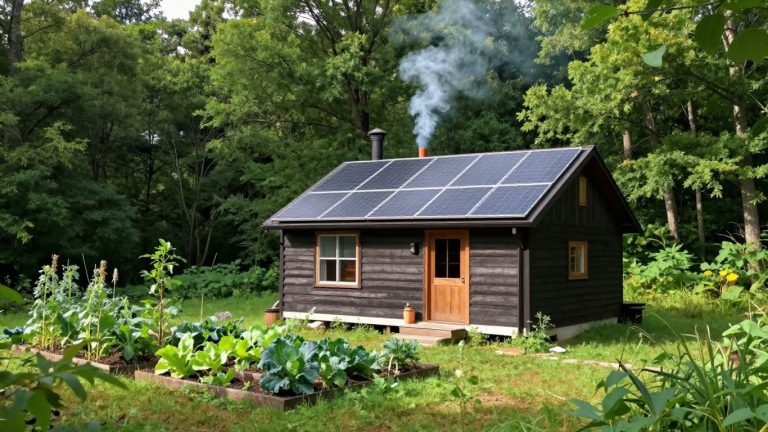
Powering your off-grid life is a big one. Solar panels are incredibly popular, and for good reason. The sun shines here, and solar power is a clean way to generate electricity. You’ll need a good array of panels, a battery bank to store the energy for cloudy days and nights, and an inverter to convert the DC power from your batteries to AC power for your appliances. Wind turbines can also be a good option, especially in open areas, but they can be more complex and require specific wind conditions. Most off-gridders find that a hybrid system works best. This usually means solar as the primary source, with a backup generator (propane or gas) for those extended periods of low sun or high energy use. Don’t underestimate the need for a reliable backup; it’s what keeps you comfortable when the unexpected happens.
Water Sourcing and Filtration for Rural Properties
Water is life, right? For off-grid living, securing a consistent and clean water supply is paramount. The most common method is drilling a well. This requires permits and professional installation, and you’ll need to test the water quality regularly. If a well isn’t feasible or you want a backup, rainwater harvesting is an option. This involves collecting water from your roof into cisterns. Regardless of your source, filtration is non-negotiable. You’ll want a multi-stage filtration system to remove sediment, bacteria, and other contaminants. A UV filter is often the final step to ensure water is safe for drinking.
Waste Management: Septic Systems and Composting Toilets
Dealing with waste is a practical necessity. For most off-grid homes, a traditional septic system is the standard. This involves a tank and a drain field, and it needs to be installed according to local regulations. It’s a system that requires some space and proper maintenance. Alternatively, or as a supplement, composting toilets are becoming more popular. These systems break down waste through composting, significantly reducing water usage and the need for a large septic system. They do require regular attention and proper management to function effectively and odor-free. Greywater systems, which reuse water from sinks and showers for irrigation, can also be a smart addition to reduce overall water waste.
Planning for these systems isn’t just about ticking boxes; it’s about creating a sustainable and comfortable living environment that respects the natural resources of South Dakota. Each system needs to be sized correctly for your needs and the specific conditions of your property.
Navigating Permits and Legalities for Self-Sufficiency
Understanding County Zoning and Building Codes
Before you even start looking at land, it’s a good idea to get a feel for the local rules. Every county in South Dakota has its own set of zoning ordinances and building codes. These aren’t just bureaucratic hurdles; they’re designed to ensure safety, manage land use, and protect the environment. What’s allowed in one county might be a big no-no in another. For instance, some areas might have restrictions on building types, minimum acreage for certain uses, or even rules about keeping livestock. It’s worth a call or a visit to the county planning department. They can tell you about:
- Zoning classifications (agricultural, residential, etc.)
- Setback requirements for buildings and wells
- Rules regarding accessory dwelling units (like a small cabin for family)
- Any restrictions on agricultural activities or animal husbandry
Don’t assume anything; always verify directly with the county officials. They are usually happy to help folks understand the regulations, and it can save you a lot of headaches down the road.
Permitting Requirements for Wells and Septic Systems
Getting water and dealing with waste are two of the biggest practicalities of off-grid living. In South Dakota, you’ll almost certainly need permits for both your well and your septic system. These aren’t usually overly complicated, but they do require planning and adherence to specific standards. The county health department or planning office will have the details.
- Well Permits: You’ll need to know the required depth, casing materials, and proper sealing methods to prevent contamination. Sometimes, there are restrictions on how close a well can be to property lines or existing structures.
- Septic Systems: Regulations cover the type of system allowed (conventional, aerobic, etc.), the size based on the number of bedrooms, and the location relative to water sources and property boundaries. Proper installation by a licensed professional is often mandatory.
These permits can take time to process, especially in rural areas where county staff might be stretched thin. Factor this into your building timeline. It’s also wise to check if the property you’re considering has any existing, permitted well or septic infrastructure. Sometimes, an old, functional system can save you thousands and significant delays.
The cost and complexity of permits can vary widely. What seems straightforward on paper might involve site evaluations, soil tests, and inspections at various stages. Being prepared for these steps and the associated fees is part of realistic off-grid planning.
Establishing a Legal 911 Address for Remote Properties
This might seem like a minor detail when you’re focused on solar panels and water catchment, but a legal 911 address is surprisingly important. It’s how emergency services (fire, ambulance, police) find you. Without one, you could face delays in critical situations. The process usually involves the county sheriff’s office or emergency management agency. They’ll typically assign an address based on your property’s access point to a public road. You’ll need this address for:
- Mail delivery
- Establishing utilities (even if off-grid, you might need internet or phone service)
- Insurance purposes
- Registering vehicles or other official documentation
Make sure the address is officially recorded and that you know how to clearly mark it on your property, especially if your driveway is long or not easily visible from the main road. This is a simple step that can have a big impact on your safety and convenience.
Choosing the Right Location in South Dakota
When you’re thinking about setting up your off-grid life in South Dakota, picking the right spot is a big deal. It’s not just about finding a piece of land; it’s about finding a place that fits your lifestyle and offers the resources you’ll need. South Dakota has some fantastic areas for homesteaders, but they all come with their own quirks.
Standout Counties for Homesteaders: Fall River, Pennington, and Custer
If you’re looking for a good starting point, a few counties tend to pop up a lot in conversations about off-grid living. Fall River County, down in the southern part of the state, often gets mentioned because it can have a slightly milder climate, which is nice for gardening and dealing with winter. Pennington County is popular too, especially if you want a bit of that rural feel but still want to be within a reasonable drive of amenities like those found in Rapid City. Then there’s Custer County, which has a strong agricultural background and plenty of land that’s good for raising animals or growing crops. These areas often have a good mix of available land and a community that’s somewhat used to people wanting a more self-sufficient lifestyle.
Considering Elevation, Water, and Agricultural Potential
Beyond just the county name, you’ll want to look closely at the specific piece of land. Elevation can play a role, especially in how much sun your garden gets or how well your property drains after the spring thaw. Water is obviously key – is there a reliable well, or is there a chance to drill one? You’ll need to check the local regulations for wells, as they often require permits and inspections. And if you plan on farming or raising livestock, the agricultural potential of the soil is something to investigate. Some land is just better suited for grazing, while other spots might be perfect for a large vegetable garden. Don’t forget to check for existing structures; even a rundown shed with a working well hookup can save you a ton of money and hassle.
The Black Hills: Abundant Resources and Four True Seasons
The Black Hills region, which includes counties like Custer, Pennington, and Lawrence, is a real draw for many. It’s known for its natural beauty, but also for having a good amount of resources. You’ll find more established communities here, which can be helpful for finding supplies, getting advice, and connecting with neighbors. The downside is that land can sometimes be more expensive or harder to find compared to other parts of the state. You’ll definitely experience all four seasons here, and they are true seasons – meaning you’ll need to be prepared for hot summers, cold winters with snow, and everything in between. This is a place where you really feel connected to the land and its cycles.
When you’re scouting locations, try to visit in different seasons if you can. What looks great in the summer might present different challenges when the snow flies. Talking to locals at a diner or a feed store can give you insights you won’t find online.
Preparing for South Dakota’s Four Seasons
South Dakota’s weather can really throw you for a loop. Living off-grid means you’re the one in charge when things get tough, especially when winter rolls around. You’ve got to be ready for anything.
Winterizing Your Off-Grid Cabin: Snow, Heat, and Power
Winter here isn’t just cold; it’s serious business. Snowfall can be heavy, and ice storms are a real possibility. Your access road is your responsibility to clear, so think about how you’ll handle that. A long driveway might need a turnaround spot for a plow, or at least be navigable with all-wheel drive. Power outages are more common when the weather’s bad, so having a backup heat source and a way to generate electricity is a must. Think about propane heaters, wood stoves, and a generator or solar setup with good battery storage. Don’t forget to protect your pipes from freezing – insulating them well and maybe even having a plan to drain your water system if you’re going to be away for extended periods.
Spring Thaw Challenges and Drainage Considerations
When winter finally breaks, you’ve got a whole new set of issues. The thaw can turn your land into a muddy mess. It’s a good time to really check out how your property drains. Does water pool up anywhere? You don’t want that water getting into your foundation or creating a swampy area around your home. Look at where your runoff is going and make sure it’s directed away from your buildings. This is also when you might discover any damage the winter caused, like fences that got knocked down or areas where erosion has started.
Summer Fire Safety and Fall Preparation
Summer in South Dakota can be beautiful, but it also brings a high risk of wildfires, especially in the drier, grassy areas. Keep your property clear of dead brush and tall grass, especially around your home and any outbuildings. Create a defensible space. Have a plan for what you’ll do if a fire gets close. As summer winds down, fall is your time to get ready for the next winter. Stock up on firewood, check all your systems – heating, power, water – to make sure they’re in good shape, and get your garden put to bed for the season. It’s also a good time to do any repairs or improvements before the cold weather sets in again.
Preparing for the seasons isn’t just about surviving; it’s about thriving. It means being proactive and understanding the rhythm of the land you live on. A little bit of planning goes a long way in making off-grid life enjoyable, no matter the weather.
Building Your Off-Grid Home: Options and Considerations
So, you’ve got the land, you’ve figured out your power and water, and now it’s time to talk about the actual house. This is where things can get really exciting, but also a bit overwhelming. Building an off-grid home isn’t quite like building a regular house because you’re not just thinking about walls and a roof; you’re thinking about how it all works without the utility company. It’s a big project, for sure, but think of the skills you’ll learn!
Stick-Built vs. Prefab vs. Trailer: Pros and Cons
When you’re looking at building options, you’ve got a few main paths to consider. Each has its own set of advantages and disadvantages, especially when you’re aiming for self-sufficiency.
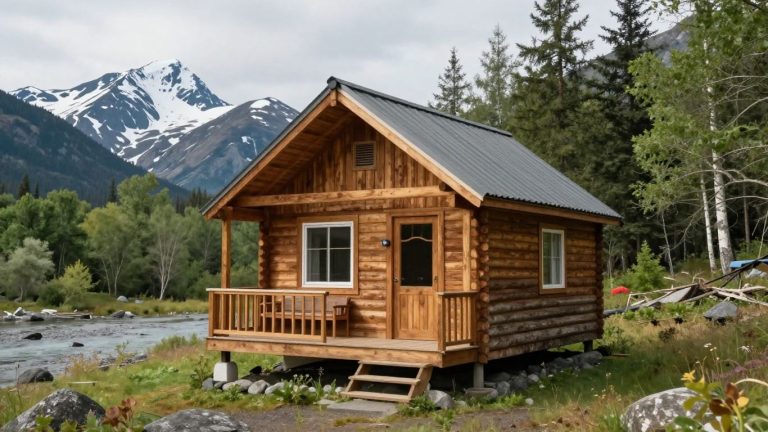
- Stick-Built: This is the traditional way most houses are built, piece by piece, right on your land. It offers the most flexibility. You can design it exactly how you want, place it perfectly on your property, and really customize it to your climate and lifestyle. The downside? It can be the most expensive and time-consuming option. You’ll need to manage contractors, materials, and the whole process, which can be a lot.
- Prefab/Modular: These homes are built in sections in a factory and then transported to your site to be assembled. They can be faster and sometimes more affordable than stick-built homes because of the factory efficiencies. The designs are usually set, so you have less customization than stick-built, but you can still get a great, well-built home.
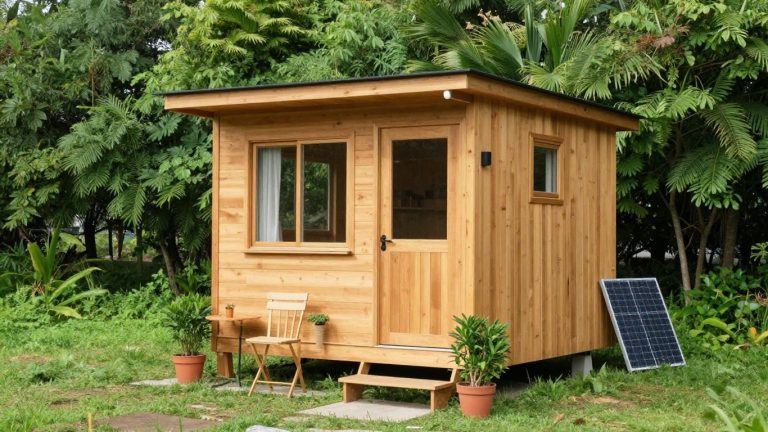
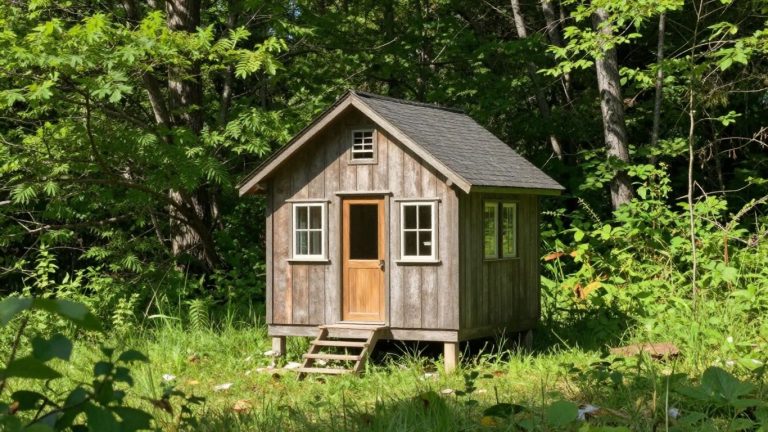
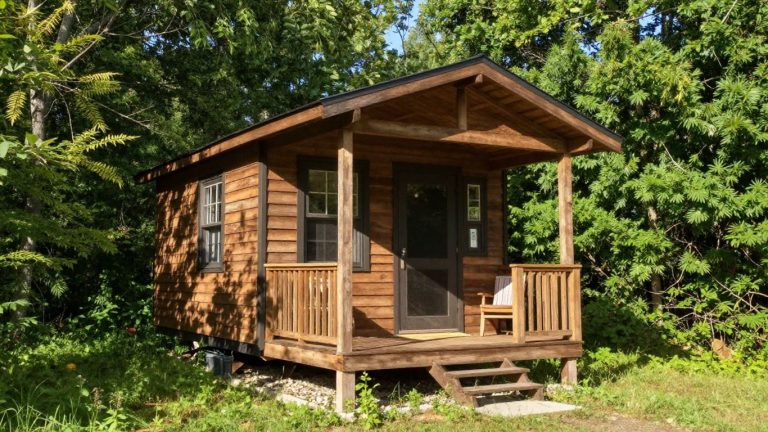
- Trailer/Tiny Home: These are often the most budget-friendly and quickest to get up and running. Many are built on trailers, giving you the option to move your home if needed (though most off-gridders plan to stay put). They are, by nature, smaller, which means less to heat, cool, and maintain. However, zoning laws can sometimes be tricky with permanent placement, and you’ll have less space for living and storage.
Phased Building for Flexibility and Affordability
Building your dream home all at once can be a huge financial stretch. That’s where phased building comes in. It’s basically building your home in stages, as your budget and time allow. Maybe you start with a small, basic cabin or even a sturdy shed that’s livable, and then you add on rooms or upgrade systems over the years. This approach makes the whole process feel much more manageable and less daunting. It also means you can learn as you go and make adjustments based on your actual off-grid experience.
Considering Resale Value and Quality Materials
Even if you plan to live off the grid forever, it’s smart to think about resale value. Using quality materials from the start can make a big difference down the road. Think about durable roofing, good insulation (especially important in South Dakota winters!), and sturdy windows. While you might be tempted to cut corners to save money, investing in good materials now can save you a lot in repairs and energy costs later. Plus, a well-built home, regardless of its style, will always be more attractive to potential buyers if you ever decide to sell.
Building an off-grid home is a marathon, not a sprint. It’s about creating a space that truly supports your independent lifestyle, and that often means taking your time, making smart choices, and building something that’s both functional and lasting. Don’t be afraid to get creative and find what works best for you and your piece of South Dakota.
Cultivating Community and Local Connections
Going off-grid doesn’t mean you have to go it alone. In fact, building a life in rural South Dakota often means leaning on your neighbors and becoming part of the local fabric. Isolation might sound appealing at first, but true long-term success in homesteading really comes down to knowing the people around you and building a support system. South Dakota’s off-grid communities are strong because people put down roots together.
Finding Like-Minded Neighbors and Homesteading Groups
There’s a surprisingly active off-grid and homesteading scene here. Counties like Pennington, Custer, and Fall River have groups where folks are happy to share what they’ve learned and offer a helping hand. It’s a great way to avoid common mistakes and learn from people who’ve already been down the road. You can often find these groups online, like on Facebook, or through local extension offices. These places are goldmines for information on everything from soil testing to planting guides specific to our region.
The Power of Bartering and Skill-Sharing
In many parts of South Dakota, the old ways of trading are alive and well. Bartering is a respected way to get what you need. Think trading eggs for firewood, fixing a neighbor’s fence in exchange for some extra garden produce, or offering your mechanical skills for help with a building project. It’s a way to build trust and create strong relationships.
Here are some common things people trade:
- Garden vegetables and fruits
- Eggs and dairy products
- Firewood and other natural resources
- Handyman skills (plumbing, electrical, carpentry)
- Mechanical repairs
- Canning and preserving
- Livestock or animal products
Bartering isn’t just about saving money; it’s about mutual respect and building a network of reliable people. When you contribute a skill or product, you gain trust and often make a friend for life.
Engaging with Churches, Farmers Markets, and Co-ops
Churches in smaller towns often serve as community hubs, hosting events and volunteer groups. Farmers markets and local food co-ops are also fantastic places to connect. You’ll find not only fresh, local food but also people with a wealth of knowledge about gardening, raising animals, and living sustainably in South Dakota. Chatting with vendors can lead to great advice, shared seeds, or even opportunities to trade. Getting involved locally is key to truly thriving off-grid.
Achieving Food Security Through Gardens and Livestock
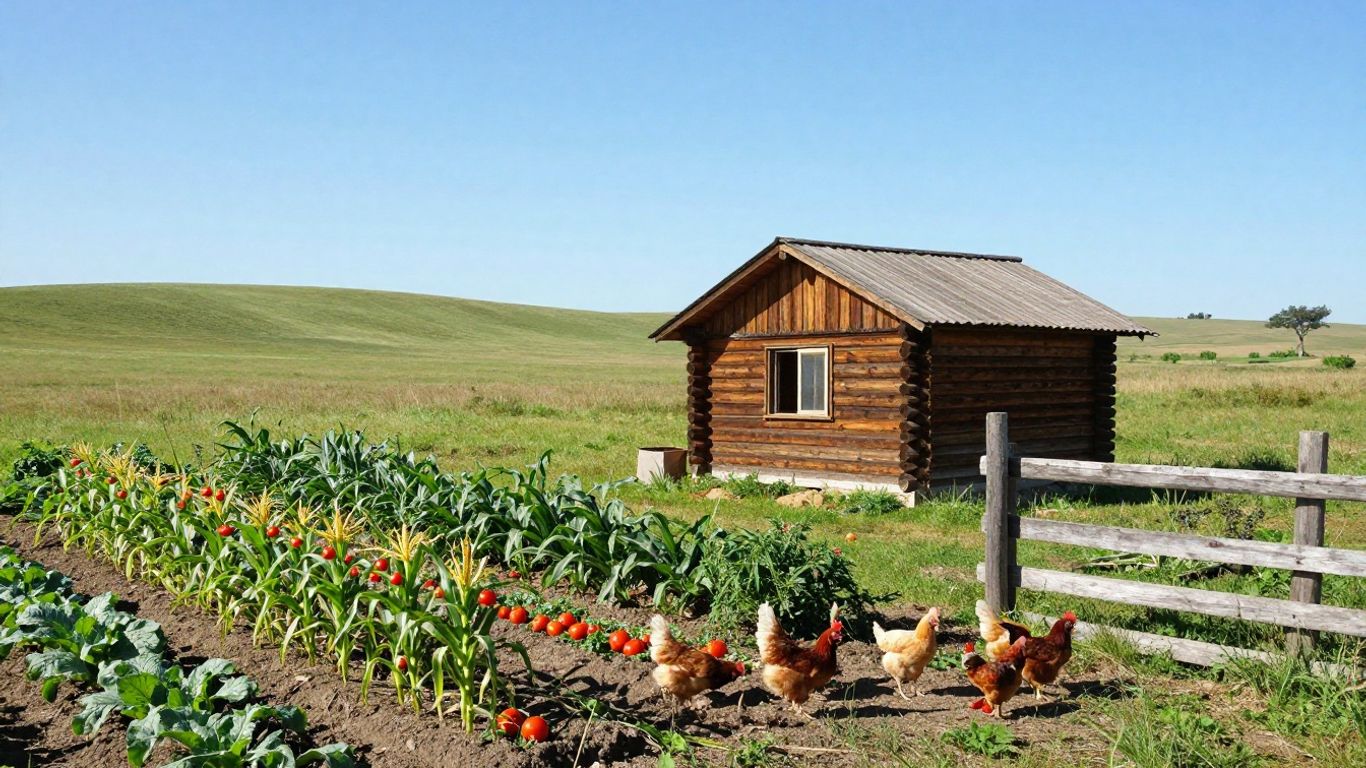
Living off the land in South Dakota means getting serious about feeding yourself. It’s not just about having a garden; it’s about creating a reliable system that works with the climate and your resources. This is where raising your own food, whether from the soil or from animals, really comes into play. It’s a big part of what makes living this way so rewarding.
Gardening in Zone 4b: Hardy Vegetables and Season Extension
South Dakota’s climate, particularly in Zone 4b, means you’ve got a shorter growing season to work with. You can’t just plant anything and expect it to thrive. We’re talking about picking vegetables that can handle cooler temperatures and maybe even a late frost. Think root vegetables like carrots, potatoes, and beets – they’re pretty tough. Brassicas such as broccoli, cabbage, and kale also do well. Don’t forget about hardy greens like spinach and lettuce, which can often be planted early and late in the season.
To get the most out of your garden, season extension is key. This can involve simple things like using cold frames or row covers to protect young plants from early or late frosts. A small greenhouse, even a DIY one, can make a huge difference in extending your harvest well into the fall and even getting an early start in the spring. Planning your garden layout is also important; consider companion planting to help deter pests naturally and improve soil health.
Raising Livestock: Chickens, Goats, and Cattle
When it comes to livestock, starting small is usually the best approach. Chickens are a popular choice for a reason. They provide fresh eggs daily and their manure is great for your garden. You’ll need to think about shelter, especially during those harsh South Dakota winters. Building a coop that’s insulated and has good ventilation is a must. Heated waterers can prevent freezing, and deep bedding systems help keep them warm and create compost.
Goats are another option. They’re good for milk, meat, and can help clear brush. Like chickens, they need secure shelter from the elements. Cattle might be a bigger commitment, requiring more land and infrastructure, but they offer meat and dairy on a larger scale. Regardless of what animals you choose, understanding their specific needs for food, water, shelter, and health care is vital for their well-being and your success.
Hunting Opportunities: Wild Game as a Food Source
South Dakota is well-known for its hunting. Deer, turkey, pheasant, and even elk are available, offering a significant source of protein if you’re a licensed hunter. This isn’t just a hobby for many; it’s a practical way to supplement your food supply.
Hunting requires knowledge of local regulations, ethical practices, and safe handling of firearms. It’s a skill that takes time to develop, but the reward of providing your own wild game is substantial.
Getting started with hunting involves understanding the seasons, obtaining the proper licenses, and learning how to process the game you harvest. Many experienced hunters are willing to share their knowledge, and there are often local resources or courses available to help beginners. It’s a way to connect with the land and utilize its natural bounty in a sustainable manner.
Embracing the Off-Grid Dream in South Dakota
So, you’ve read all about making the move to live off the grid in South Dakota. It’s a big step, for sure, and it takes some real planning and a willingness to learn as you go. But honestly, the idea of living more simply, closer to nature, and being more self-reliant? That’s a pretty powerful draw. Remember, it’s not about cutting yourself off completely. It’s about building a life that works for you, using the land and resources available. Whether you’re drawn to the Black Hills or the wide-open plains, South Dakota offers a chance to build something truly your own. Just take it one step at a time, connect with the folks already doing it, and enjoy the journey.
Frequently Asked Questions
How much land do I really need to live off the grid in South Dakota?
It’s not just about the size, but how you can use the land. A small plot might work if it’s mostly flat and clear, but larger areas give you more freedom for things like gardening, raising animals, or just having privacy. Think about what you want to do with your land – a simple cabin might fit on 1-2 acres, but if you plan on farming or having lots of animals, 10 acres or more would be better.
Is it hard to get water and power when living off the grid in South Dakota?
Getting water usually means digging a well, which needs permits and can be costly. Some people use rain collection systems too. For power, solar panels are popular, but you’ll likely need a backup, like a generator, especially during cloudy or snowy days. Planning for reliable power and water is super important.
What kind of permits or rules do I need to follow for off-grid living in South Dakota?
Yes, there are rules! You’ll need permits for things like digging a well or installing a septic system. Even if you’re way out in the country, you’ll need a legal address for mail and emergencies. It’s best to check with the local county office to understand all the building codes and zoning laws before you start.
Are there specific areas in South Dakota that are better for off-grid living?
Many people like the Black Hills area, including counties like Pennington, Custer, and Fall River. These places often have more trees, water, and good soil for growing things. They also tend to have a stronger sense of community among homesteaders. Other areas might be more open plains, which means different challenges and opportunities.
How do people handle the really cold South Dakota winters when living off the grid?
Good insulation is key! Most off-gridders use wood stoves or propane heaters as their main heat source. Having a reliable backup power system is also a must, in case the weather knocks out your main energy supply. Being prepared with plenty of firewood and stored energy makes a big difference.
Can I still have internet and stay connected if I live off the grid in South Dakota?
Surprisingly, yes, in many places! Some rural areas, especially around the Black Hills, have access to high-speed internet through companies like Midco or Golden West. It’s not everywhere, so you’ll need to check with providers for the specific location you’re interested in. Off-grid doesn’t always mean being completely cut off anymore.
Explore more tiny home living, design, downsizing, building, and lifestyle resources.