Embrace Off-Grid Living in Oregon: Your Guide to Independence
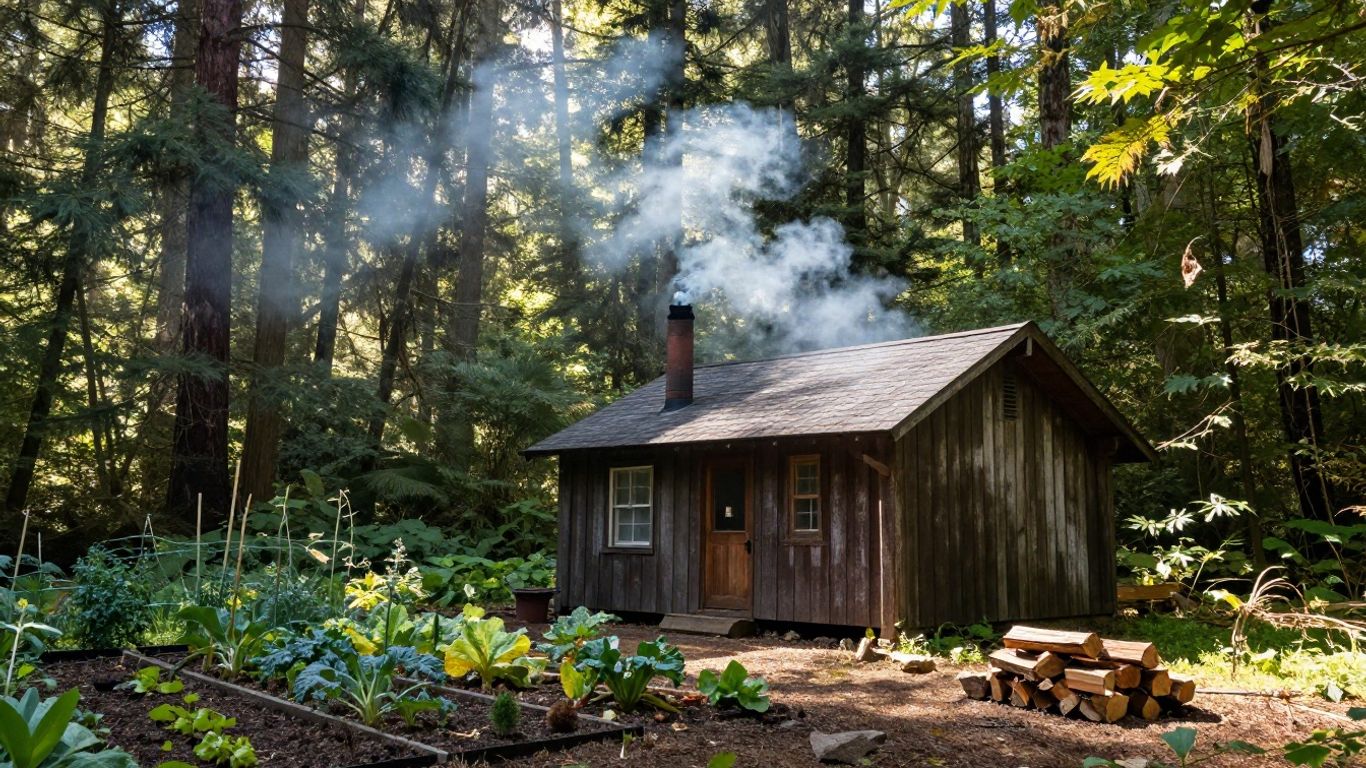
Thinking about leaving the beaten path and living a simpler life in Oregon? Off grid living in Oregon offers a unique chance to connect with nature, become more self-reliant, and enjoy a slower pace. It’s about building your own independence, whether you’re drawn to the forests, the high desert, or somewhere in between. This guide will help you explore what it takes to make that dream a reality.
Key Takeaways
- Oregon’s diverse landscapes, from forests to deserts, provide great settings for off grid living in Oregon.
- Self-reliance is a big part of off grid living in Oregon, meaning you’ll generate your own power and manage your own resources.
- Understanding local laws, zoning, and building rules is important before you buy land for off grid living in Oregon.
- Setting up your home involves choosing energy sources like solar or wind, and planning for water and waste.
- Connecting with other off grid dwellers in Oregon can provide valuable support and shared knowledge.
Why Off Grid Living in Oregon Appeals to Modern Homesteaders
Reconnecting with Nature and Achieving Self-Reliance
One of the main draws of off grid living in Oregon is the chance to build a real connection with your surroundings and rely more on your own skills. Tending a vegetable garden, taking care of chickens, fixing your own tools—these things take on new meaning when you’re not just hobbies but the backbone of daily life. It’s no longer about convenience; it’s about making do with what you’ve got and actually experiencing what you’re capable of.
- Grow your own food—seasonal and local, right outside your kitchen
- Manage your own power and water, with solar panels or wells
- Learn practical skills that most people rarely use anymore: plumbing basics, simple carpentry, and animal care
Over time, you start to realize you’re not just managing a property; you’re building a lifestyle that feels much more honest and satisfying.
Minimizing Environmental Impact Through Sustainability
Life off the grid in Oregon often leads to a smaller footprint. Sustainability isn’t just a buzzword here—it’s about what you consume, how you power your home, and the way you manage waste. Without a connection to city systems, you’ll likely:
- Use less power thanks to solar, battery storage, and energy-conscious habits
- Cut down on water usage with rain catchment barrels or simple gravity-fed irrigation
- Compost waste and food scraps, keeping as much as you can out of landfills
The results? Fewer utility bills, less pollution, and a feeling that you’re not just using the land but helping it thrive.
Experiencing Freedom and the Simplicity of Rural Life
When you step away from the grid, something changes. Rural Oregon offers space to breathe—a morning where you hear nothing but birds, or a night sky so packed with stars it hardly seems real. The freedom is real, too: you set your own rules and pace, and no one’s dropping by unannounced.
- Privacy: no packed neighbors, noise, or city lights
- Flexible routines: wake up with the sun, let your day follow the rhythms of nature
- Solve problems as they come, working with what you have, not what a store supplies
It’s hard work, but for many, this tradeoff—comfort for freedom, busy days for calmer ones—is worth every bit of effort.
| Motivation | How It Plays Out Off Grid in Oregon |
|---|---|
| Self-Reliance | Growing, building, and fixing things yourself |
| Sustainability | Using renewables, conserving resources |
| Freedom & Simplicity | Fewer distractions, fewer obligations |
Choosing the Perfect Land for Off Grid Living in Oregon
Rural, Forested, and Desert Land: Exploring Oregon’s Diverse Terrains
Oregon offers just about every landscape you could want, but picking the right one matters for your off-grid plans. Rural acreages are quiet and affordable, giving you more freedom and space. Forested areas grant privacy and natural resources but come with extra rules, especially if you’re near national forests. Desert land provides wide-open skies for solar, but the climate can test your patience. Here’s a quick look at the main types:
| Terrain | Pros | Cons |
|---|---|---|
| Rural | Affordable, spacious | Far from services, rough access |
| Forested | Privacy, water, timber | Extra regulations, wildlife risks |
| Desert | Sun, easy building rules | Harsh weather, water can be scarce |
Picking the right terrain is a big decision—sometimes what looks perfect on paper can feel isolating or impractical once you’re actually living there. Walk the land yourself before buying if possible.
Assessing Soil, Water, and Sun Exposure
For off-grid living, the land’s basics aren’t just nice-to-have—they’re make-or-break. Good soil is vital if you dream of a big garden or even a small one. Always test soil before making an offer; it’s worth knowing if you’ll be able to grow anything. Water is even more important. Ask about existing wells or water rights, and pay attention to seasonal changes. How much sun hits the property affects both your gardening and solar power setup. Long shadows from big trees can be a challenge in forested areas, while the desert provides plenty of sunlight, but you’ll need to think hard about water.
Checklist before you buy:
- Test soil for gardening and building
- Check for a reliable water source (well, spring, rights to share)
- Observe sun patterns—visit morning and afternoon
Evaluating Acreage Based on Your Self-Sufficiency Goals
How much land do you need? There’s no single answer, but your goals matter. If you’re planning large-scale food production or want animals that need space to roam, aim for a bigger lot. Smaller lots can work if you garden smart (think vertical beds or greenhouse setups) and don’t need much pasture.
Ask yourself:
- Are you trying to grow most of your own food?
- Planning to keep goats, chickens, or cattle?
- Want extra space for future projects or just peace and quiet?
A few acres can be enough for gardening, a small orchard, and some animals. If you want wood for heating or more space from neighbors, you may need 10-20 acres or more. Don’t just picture the house—picture everything you hope to do and build over time.
At the end of the day, start with what you can handle now. You can always expand your project piece by piece as you get more comfortable with off-grid living.
Understanding Legal Considerations for Off Grid Living in Oregon
Navigating Zoning Laws and Building Codes
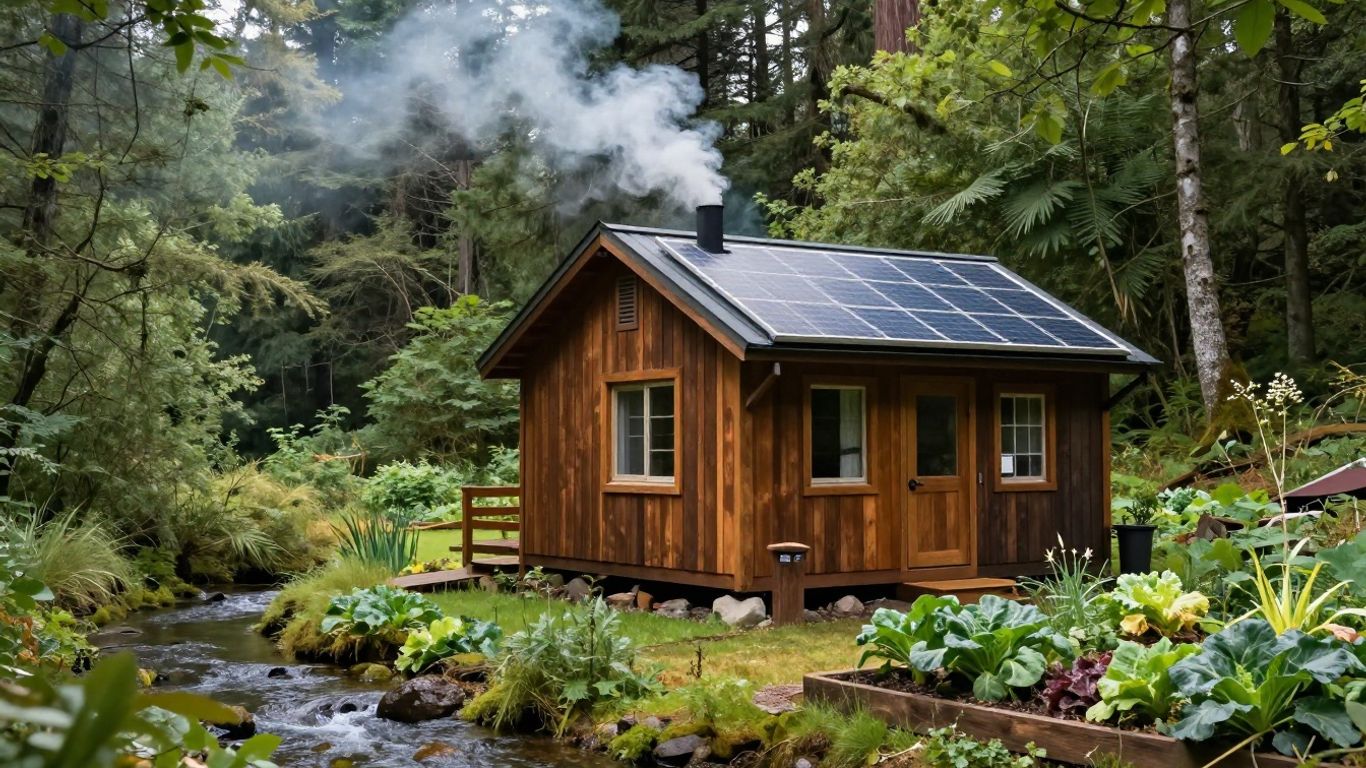
Before you even start dreaming about solar panels and rainwater harvesting, you’ve got to get real about the rules. Oregon, like every state, has its own set of regulations that can make or break your off-grid plans. Zoning laws dictate what you can and can’t do with your land – think about whether you can even build a dwelling, or if it has to be a certain size or type. Some rural areas might be more lenient, but others have strict rules about permanent structures, especially if they aren’t connected to public utilities. It’s not just about building, either. You’ll need to look into local building codes, which cover things like structural integrity, fire safety, and even how you’re supposed to vent your wood stove. Ignoring these can lead to fines or even orders to tear down what you’ve built. It’s a good idea to talk to the county planning department early on. They can tell you what’s allowed and what’s not, saving you a lot of headaches down the road.
Off-Grid Water and Waste Regulations
Water and waste are two big ones when you’re living off the grid. For water, you’ll likely be looking at wells, springs, or rainwater collection. Oregon has rules about water rights and how you can use water from natural sources. You can’t just tap into any stream you find. Rainwater harvesting is generally allowed, but there might be specific requirements for collection and storage to keep the water safe. Then there’s waste. Most off-grid homes will need a septic system. You’ll need to get permits for this, and the system has to be installed according to specific health and environmental standards. This usually involves soil tests to make sure the ground can handle a leach field. Some areas might have restrictions on composting toilets or greywater systems, so it’s important to check what’s permitted locally.
Permits and Limitations on Alternative Energy Systems
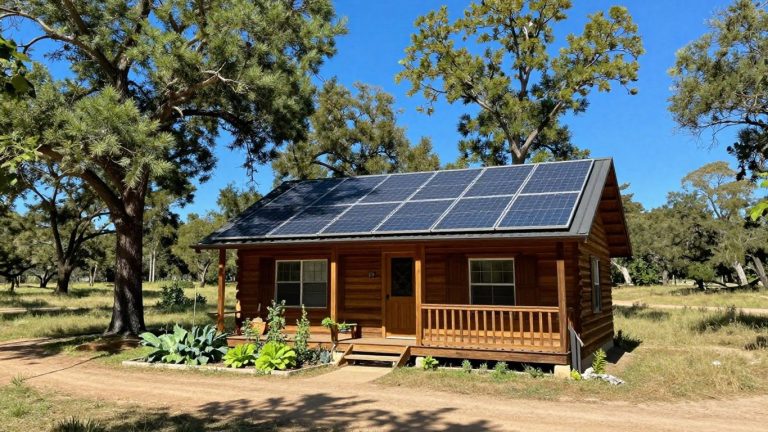
Setting up your own power source, like solar or wind, is a big part of off-grid living. While Oregon generally supports renewable energy, there are still permits and regulations to consider. You might need electrical permits for installing solar panels or a wind turbine, even if they’re off-grid. These permits help ensure the system is installed safely and meets certain standards. Some areas might have restrictions on the height of wind turbines or the placement of solar arrays, especially if you’re in a neighborhood with specific aesthetic rules or if your property is near an airport. It’s also worth checking if there are any limitations on the size of the system you can install or if you need to connect to the grid in any capacity, even if it’s just for backup.
The legal landscape for off-grid living can seem complicated, but it’s mostly about due diligence. Researching county and state regulations before you buy land or start building is the smartest move. It helps you avoid costly mistakes and ensures your dream of self-sufficiency can actually become a reality without running afoul of the law.
Building a Self-Sufficient Off Grid Home in Oregon
Selecting the Right Energy Solutions: Solar, Wind, and Batteries
Getting your energy setup right is one of the most important steps in going off grid. Oregon offers a good mix of sunny and windy days, so solar panels and small wind turbines both have real potential. A lot of folks use a hybrid setup—maybe solar for the main load and wind for backup, especially during those cloudy stretches. Batteries are key for storing what you generate, but picking the right size and type is tricky. Lithium batteries are becoming popular thanks to their longer lifespan and smaller footprint compared to heavier lead-acid versions.
Here’s a simple table comparing a few options:
| System Type | Startup Cost | Maintenance | Storage Needs | Best For |
|---|---|---|---|---|
| Solar | $$-$$$ | Low | Medium | Consistent sun |
| Wind | $$-$$$ | Moderate | Small | Windy locations |
| Hybrid | $$$ | Moderate | Large | Variable conditions |
- Consider your location and daily sun/wind patterns before investing.
- Factor in backup systems—many Oregonians keep a propane generator as a fallback.
- Regular battery checks are annoying but necessary to avoid power loss.
Many off gridders find that investing extra time in their initial energy choices saves a lot of headaches during winter storms.
Water Sourcing and Safe Waste Disposal
Reliable water means peace of mind. There are a few main ways people pull water off grid in Oregon. Wells are great if your land allows it—check with the state for drilling rules. Rainwater catchment is another solid option, especially west of the Cascades, but you still need a way to purify it, like a gravity-fed filter or UV treatment. Streams are sometimes legal to use if you have water rights (double-check before making plans).
Waste management gets even trickier. Composting toilets are common and legal in many rural counties, and they don’t require water. Septic systems are more complicated, needing permits and soil tests, but some folks prefer them for comfort and routine.
- Always test well water before using it.
- Build your bathroom setup far enough from your water source.
- Plan for freezing weather: insulated pipes and heated water storage prevent big winter problems.
Designs for Sustainable and Comfortable Off Grid Homes
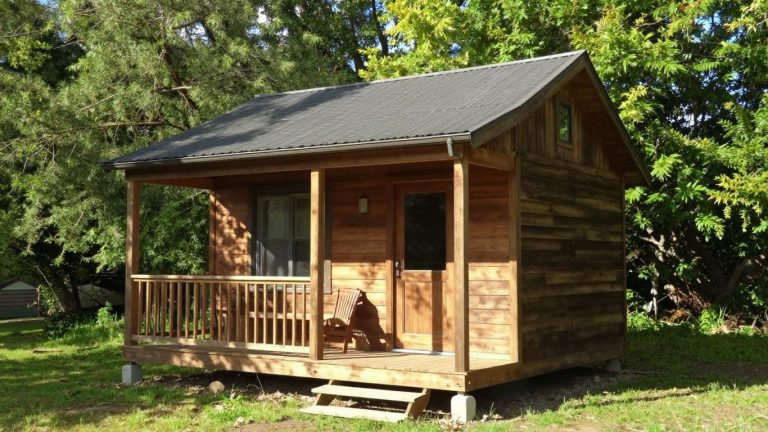
Building off grid doesn’t mean living rough—unless you want to. Oregon’s climate calls for different strategies depending on where you settle. In forested regions, many homes are low-profile cabins or earth-sheltered houses that hold in heat. The high desert? Lots of insulation, smaller windows to save energy, and passive solar layouts if possible.
- Use local materials when possible; reclaimed wood is common and adds character.
- Think about your heating: wood stoves get the job done and fuel is often free or cheap.
- Small, well-insulated homes are easier to heat and cost less to build.
Choosing a livable, energy-smart design from the start makes daily life easier, so don’t rush those early decisions. Take your time—Oregon’s seasons will test every system you build.
Joining or Starting an Off Grid Community in Oregon
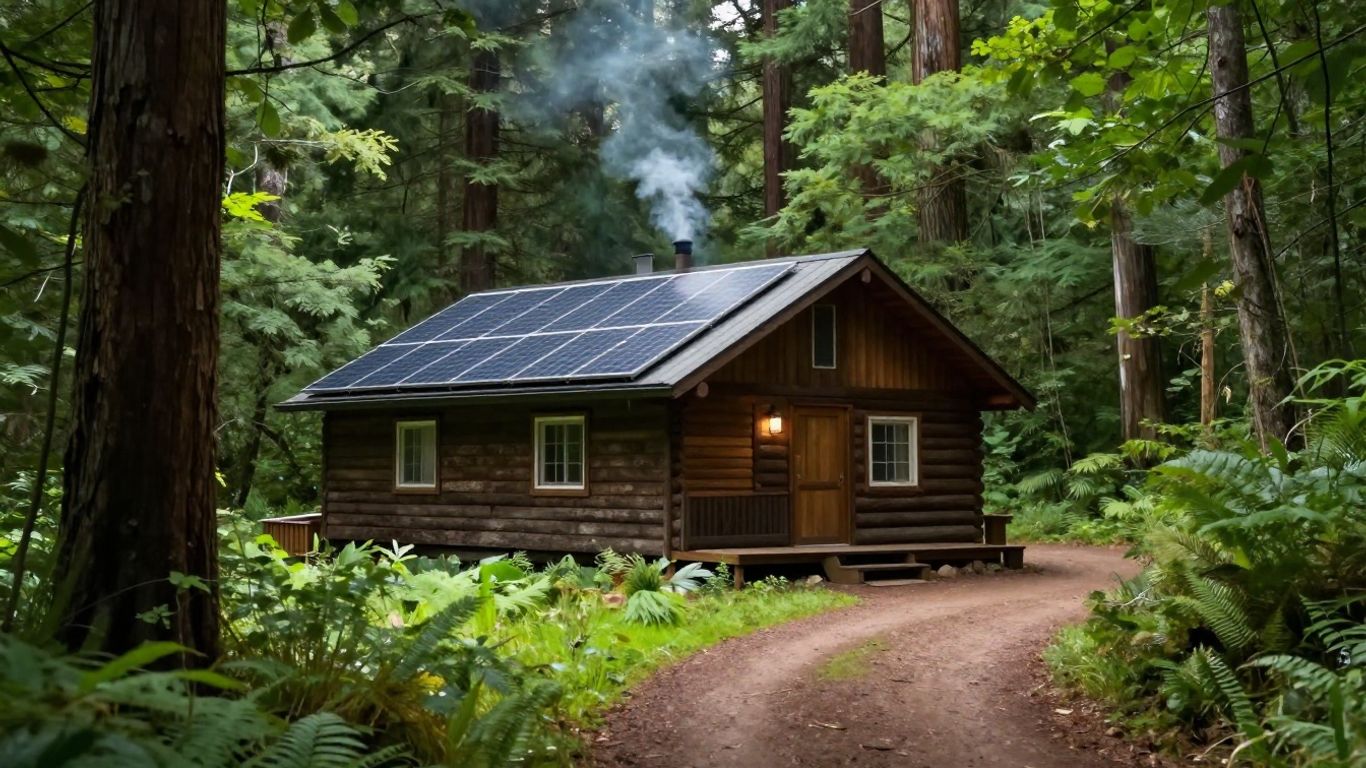
Connecting with Oregon’s Established Off Grid Communities
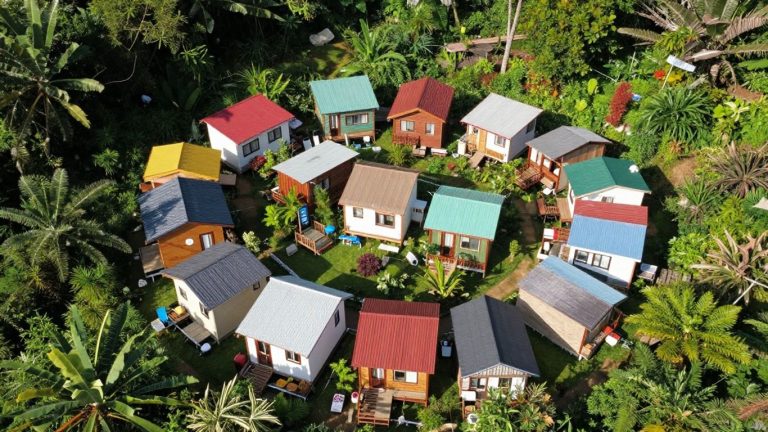
Living off the grid in Oregon doesn’t automatically mean you’re completely alone. The state has a pretty solid reputation for people choosing this lifestyle, so you’ll often find others who are already doing it. These folks are usually happy to share what they’ve learned, their experiences, and sometimes even resources. It’s good to know there’s a network out there, even if you plan on being pretty private. If you’re not keen on buying your own plot of land and setting up solo, there are actual communities in Oregon where people live together on shared property. It’s worth looking into these if that kind of setup sounds more appealing.
Forming Support Networks and Skill-Sharing Groups
Even if you’re not part of a formal community, building connections is smart. Think about local meetups or online groups focused on off-grid living in Oregon. These are great places to swap practical advice, like how to fix a solar panel that’s acting up or the best way to store winter vegetables. You might find people willing to trade skills, too. Maybe you’re good at carpentry, and your neighbor knows a lot about water filtration. It’s all about creating a local support system.
- Identify local interest groups: Look for homesteading clubs, sustainable living forums, or even just informal gatherings of like-minded people.
- Offer your own skills: Be willing to teach what you know. Sharing knowledge builds trust and strengthens the network.
- Organize skill-share events: Host workshops on topics like canning, basic electrical repair, or gardening.
- Collaborate on projects: Working together on larger tasks, like building a community greenhouse or maintaining a shared access road, can be very effective.
Balancing Privacy with Community Engagement
This is a big one. Off-grid living often attracts people who value their privacy. You might be moving out there to get away from the hustle and bustle, and that’s totally understandable. But completely isolating yourself can be tough, especially when unexpected problems pop up. Finding that sweet spot between having your own space and being part of a helpful community is key. It’s about knowing who to call when you need a hand, without feeling like you’re constantly under a microscope. You get to decide how involved you want to be, which is the beauty of it.
The goal is to create a life that feels independent but not isolated. It’s about having the freedom to live your way while still having the option to connect with others when it makes sense.
Essential Skills and Mindset for Off Grid Living in Oregon
Developing Practical Homesteading Abilities
Living off the grid is so much more than just unplugging from modern life. It asks you to wear a lot of hats—gardener, builder, mechanic, and sometimes even a medic. You can’t always call someone else to fix what breaks, so you’ve got to learn as you go.
Some of the top hands-on skills include:
- Growing your own vegetables, fruits, and maybe even keeping chickens or goats
- Fixing basic plumbing or electrical issues
- Chopping wood and safe fire management
- Preserving food (canning, drying, fermenting)
- Basic first aid and wound care
You really notice how your confidence grows each time you solve a problem yourself, and honestly, that’s a rewarding part of this lifestyle.
Planning for Emergencies and Year-Round Resilience
With Oregon’s wild weather swings—think hot summers in the east, cold snaps in the mountains, and days of rain in the west—you’ve got to plan ahead. Emergencies pop up all the time, whether it’s wildfire warnings, broken solar inverters, a sick animal, or a snapped water line right in the middle of winter.
It helps to keep a checklist and store your gear where it’s easy to grab quickly. Here’s a simple table I use to track my home’s emergency basics:
| Supply Type | Minimum to Keep On Hand | Notes |
|---|---|---|
| Drinking Water | 2 weeks per person | Backup: rain barrels, well |
| Non-Perishable Food | 3 weeks supply | Rotate stock each season |
| Backup Power | 1 fuel tank + solar | Test every 3 months |
| First Aid Kit | Fully stocked | Check expiration dates |
| Warm Clothes | 1 full set/person | Store dry, easy to access |
In truth, you can’t predict every obstacle living off-grid in Oregon, but you can at least be ready to roll with the punches.
Cultivating Adaptability and Patience
Staying adaptable is the most reliable skill you’ll ever build out here. When your plans go sideways (and they will), having a mindset that lets you regroup and try new ways is all you can do. Sometimes the solar is low all week or deer eat your crops right before harvest…
Here are three ways to keep yourself steady:
- Accept setbacks as normal—don’t get down on yourself.
- Give yourself more time than you think you’ll need for every job or repair.
- Practice patience; being flexible with your routines helps you stay positive.
Living this way in Oregon can stretch your limits, but your ability to adapt, stay calm, and solve problems makes all the difference between frustration and real everyday independence.
Your Oregon Off-Grid Adventure Awaits
So, you’ve thought about ditching the grid and heading for Oregon. It’s a big step, for sure, but totally doable. With all the open land and nature Oregon has to offer, it really is a great spot to try living a bit more on your own. You can grow your own food, make your own power, and just generally rely on yourself more. Plus, you’ll be using less energy and probably feel a lot more connected to the outdoors. It’s not always easy, but the freedom and quiet you get are pretty amazing. Finding the right piece of land is the first step, and there are plenty of options out there. It’s about building a life that feels right for you, away from the usual hustle.
Frequently Asked Questions
What does living off the grid actually mean?
Living off the grid means you’re not connected to the main power lines or city water. You become responsible for your own power, water, and waste. It’s about being more self-sufficient and living in a way that’s kinder to the environment.
Why is Oregon a good place for off-grid living?
Oregon has beautiful natural spaces, from forests to deserts, that are great for off-grid homes. The state also has a good amount of sunshine for solar power and often has rules that make it easier to build and live without being connected to the main utilities.
What kind of land is best for living off the grid in Oregon?
You can find good spots in rural areas, forests, or even the desert. Think about how much sun you’ll get for solar power, if there’s a water source, and if the land is good for growing food. The size you need depends on your plans, like farming or just having a quiet place.
Do I need special skills to live off the grid?
It helps to have some practical skills like basic repairs, gardening, and understanding how your power and water systems work. Being able to solve problems and adapt to changes is also really important for a smooth off-grid life.
Is it hard to find people to connect with when living off the grid?
Not necessarily! Oregon has communities of people who live off the grid. You can join these groups to share knowledge and support. It’s a good way to learn from others and not feel so alone, while still having your own private space.
What are the main things to think about before moving off the grid?
You should consider the rules in the area, how you’ll get water and handle waste, and what kind of power system (like solar panels) you’ll use. Also, think about the climate and how you’ll handle things like snow or very hot days, and make sure you have a way to get to and from your home.
Explore more tiny home living, design, downsizing, building, and lifestyle resources.